Guides
There's something interesting about a garment born from American mining culture becoming the uniform of Scandinavian office life. A lot of men wear jeans constantly, but they rarely think about them deliberately. The difference between a pair you're still reaching for in five years and one you quietly retire after eighteen months comes down to a few decisions most men never bother to make.
Published at: May 14, 2026

Kristoffer Lund
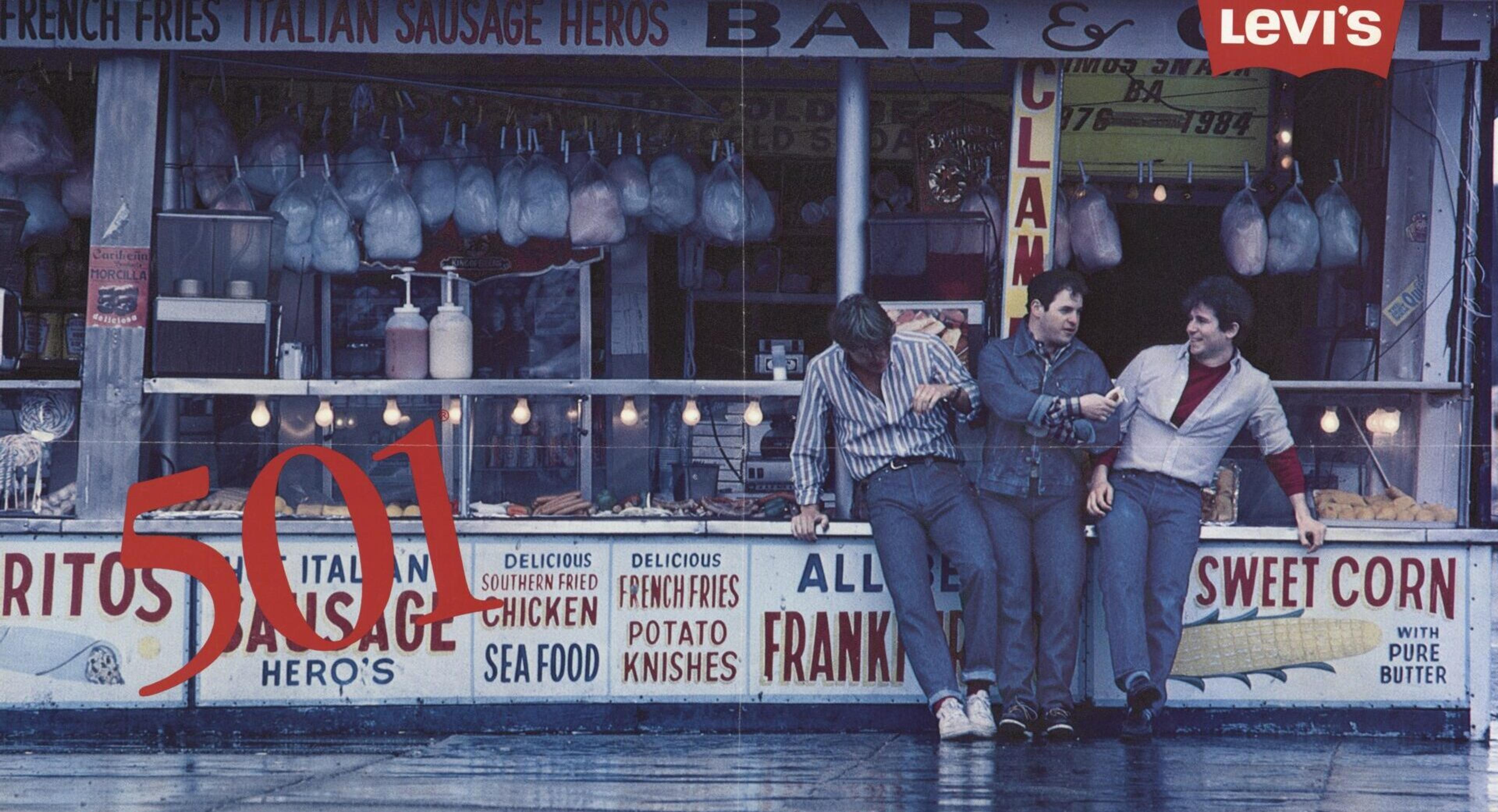
Jeans have a longer history than most people realize. Indigo-dyed cotton was traded in Europe as far back as the 16th century, and the garment we recognize today was patented in 1873 by Jacob Davis and Levi Strauss. Jeans were originally designed for miners and manual workers, but by the 1950s, James Dean had turned them into a symbol of rebellion, and by the 1970s they were everyday wear across the Western world. The stone-washing techniques of the 1980s brought denim to an even wider market. From workwear to wardrobes - it's quite a journey for a pair of trousers.
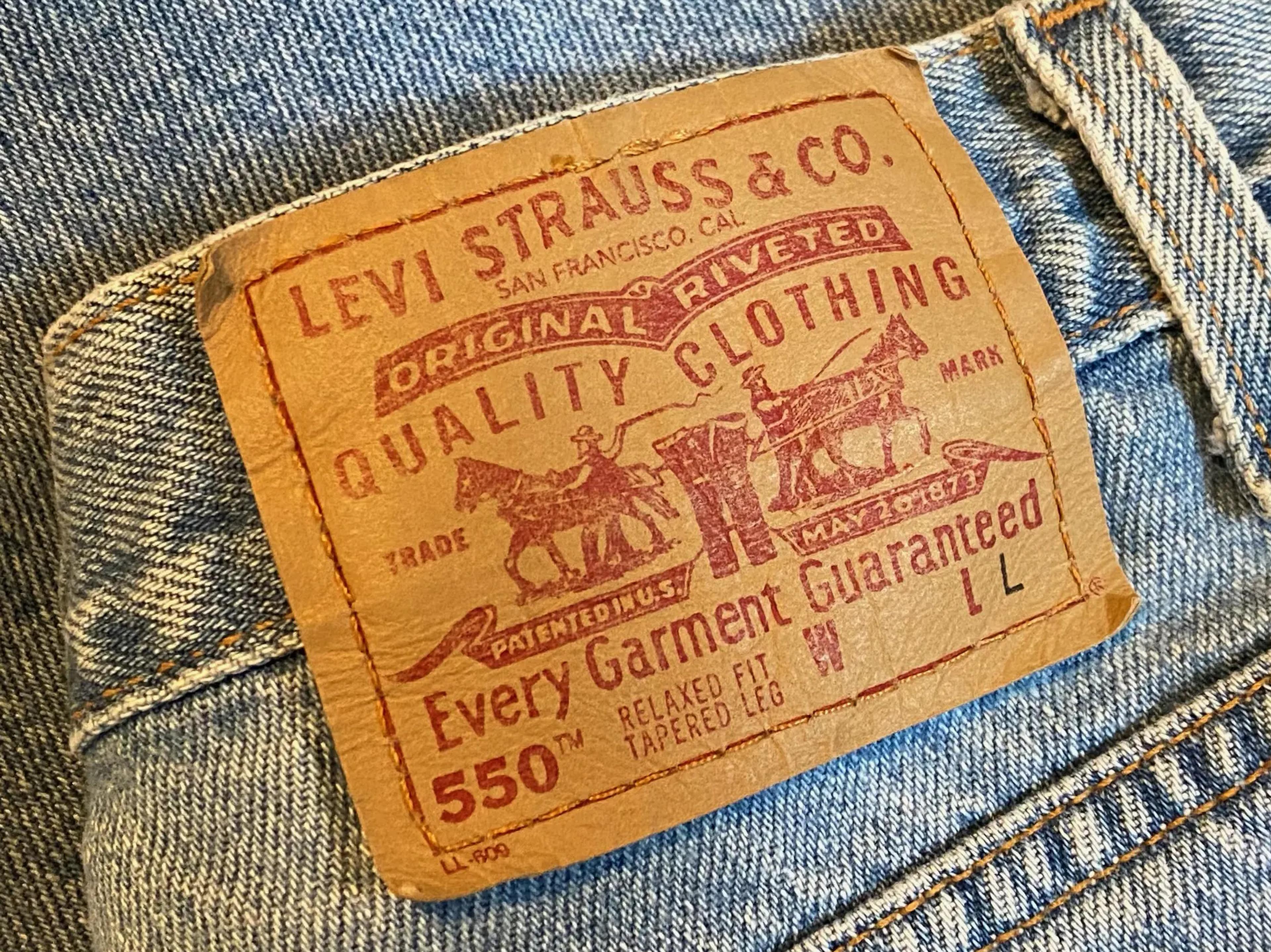
The well known tag you will find on a pair of Levi's jeans
There are so many types of jeans out there and it can be difficult to know what to look for. As with all types of fashion, trends come and go, but certain styles will be considered timeless. If you familiarize yourself with how different parts of your jeans can look different, you can make a more informed and intentional purchase.
I will introduce some of the common terminology to be familiar with when selecting your next jean. You can dive far into weaves, stitching and hardware terminology, but this overview is more leaning to the standard language they will ask you about if you walk into a store.
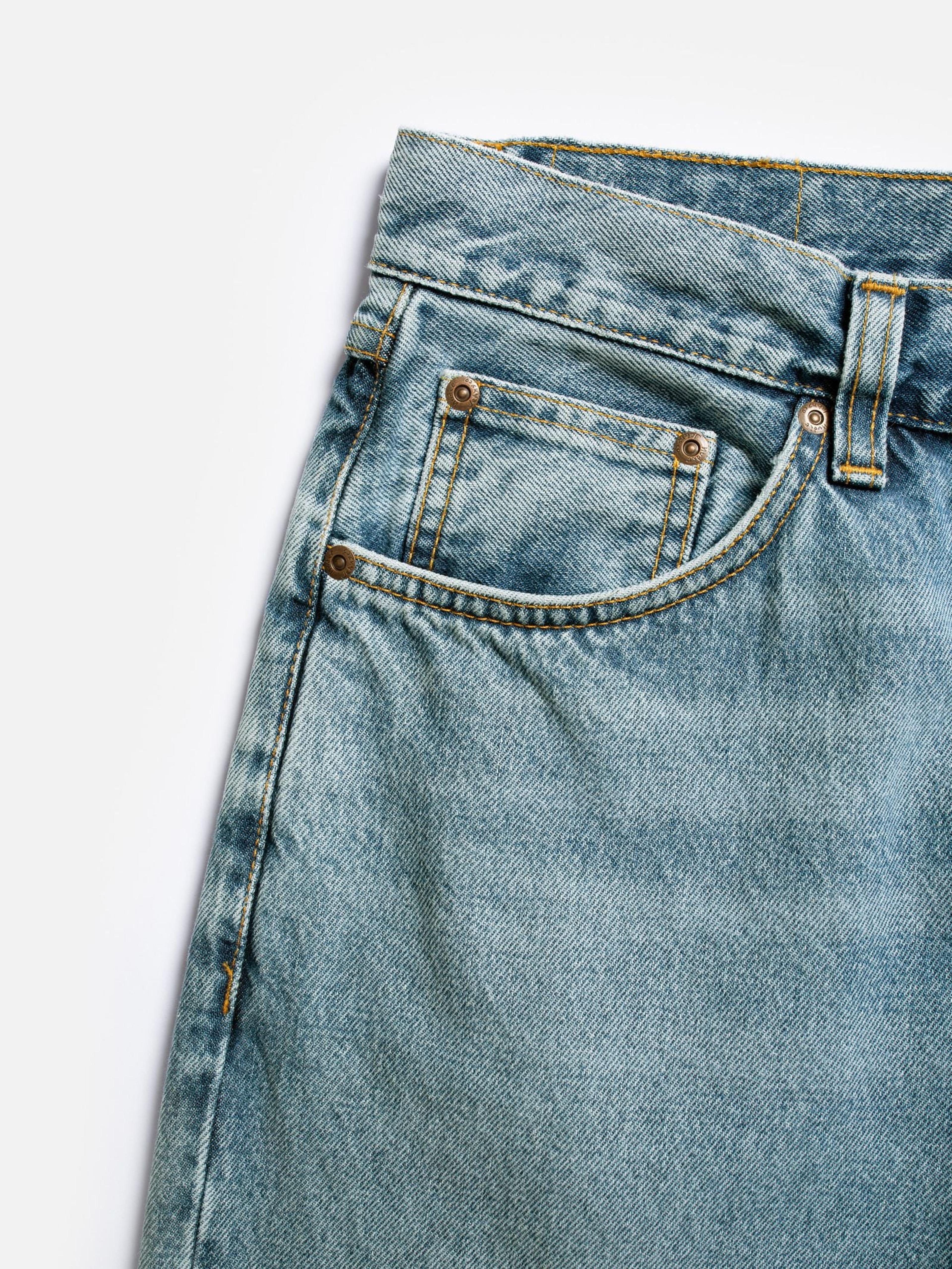
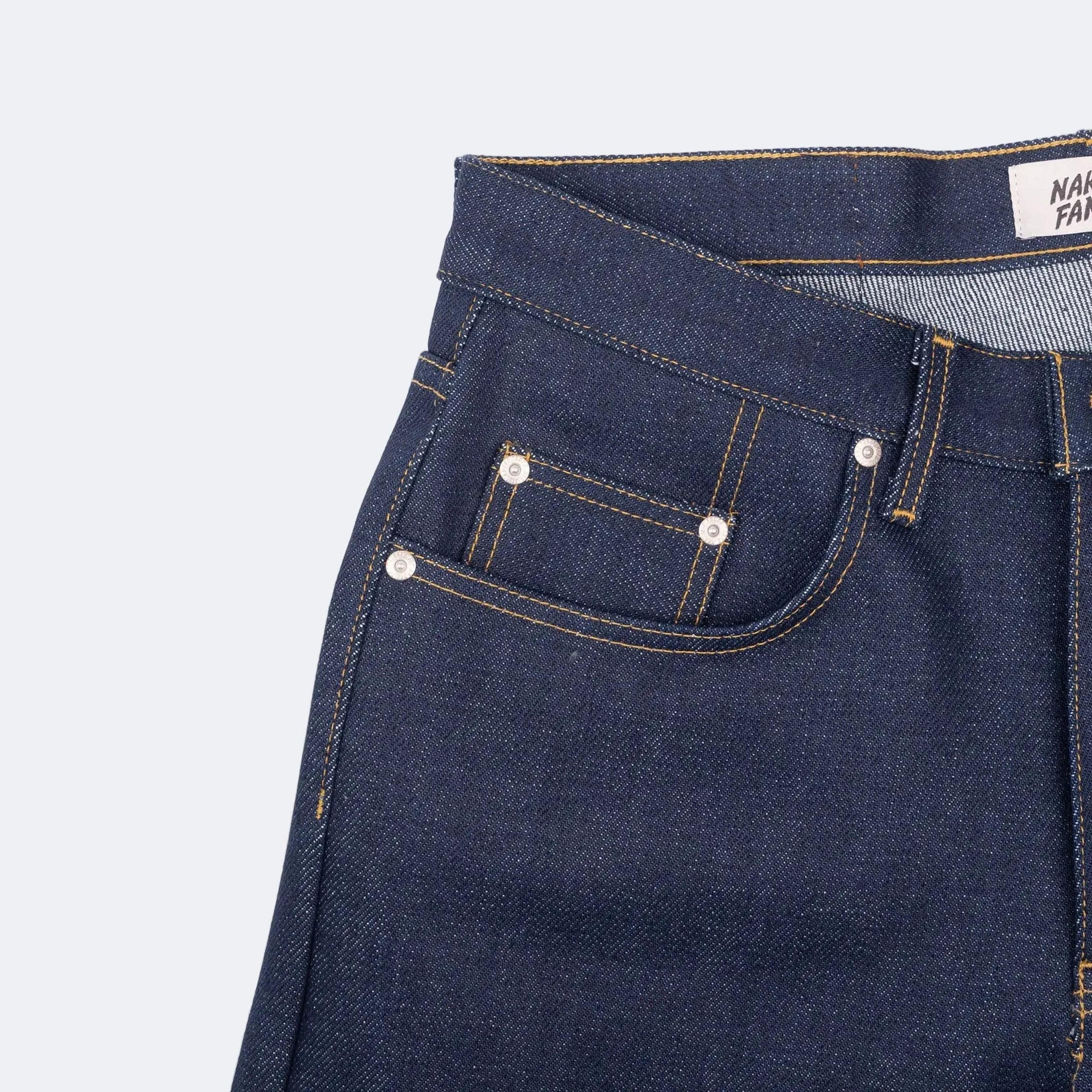
The last process of finishing a pair of jeans is to alter the texture and appearance using water, chemicals, enzymes or stones. There is also an option of getting an untreated denim, referred to as raw denim, which is stiff, dark, and will develop a natural fade over time.
This is often the first question you will be asked in a store - what fade are you looking for? Because it determines the color of your jeans, it’s a significant distinguisher. A stone wash is very popular for lighter blue jeans, while a bleach wash will leave your denim very light.
Jean fading is the process where the dye wears off over time. It will leave faded lines around the areas of friction, like the back of your knees, the crotch and lap, and as you wear your jeans you will develop a one-of-a-kind pattern (patina). In modern times it has also become quite common to see an outline of a phone around the pocket area - or a round tobacco pouch if you are in Scandinavia.
Some washed jeans will try to replicate this during the final treatment, but if you have a pair of raw denim jeans, this pattern will be unique to you. Jeans enthusiasts love fades, and I have witnessed it as a bit of a status symbol to have developed a good fade over multiple years.
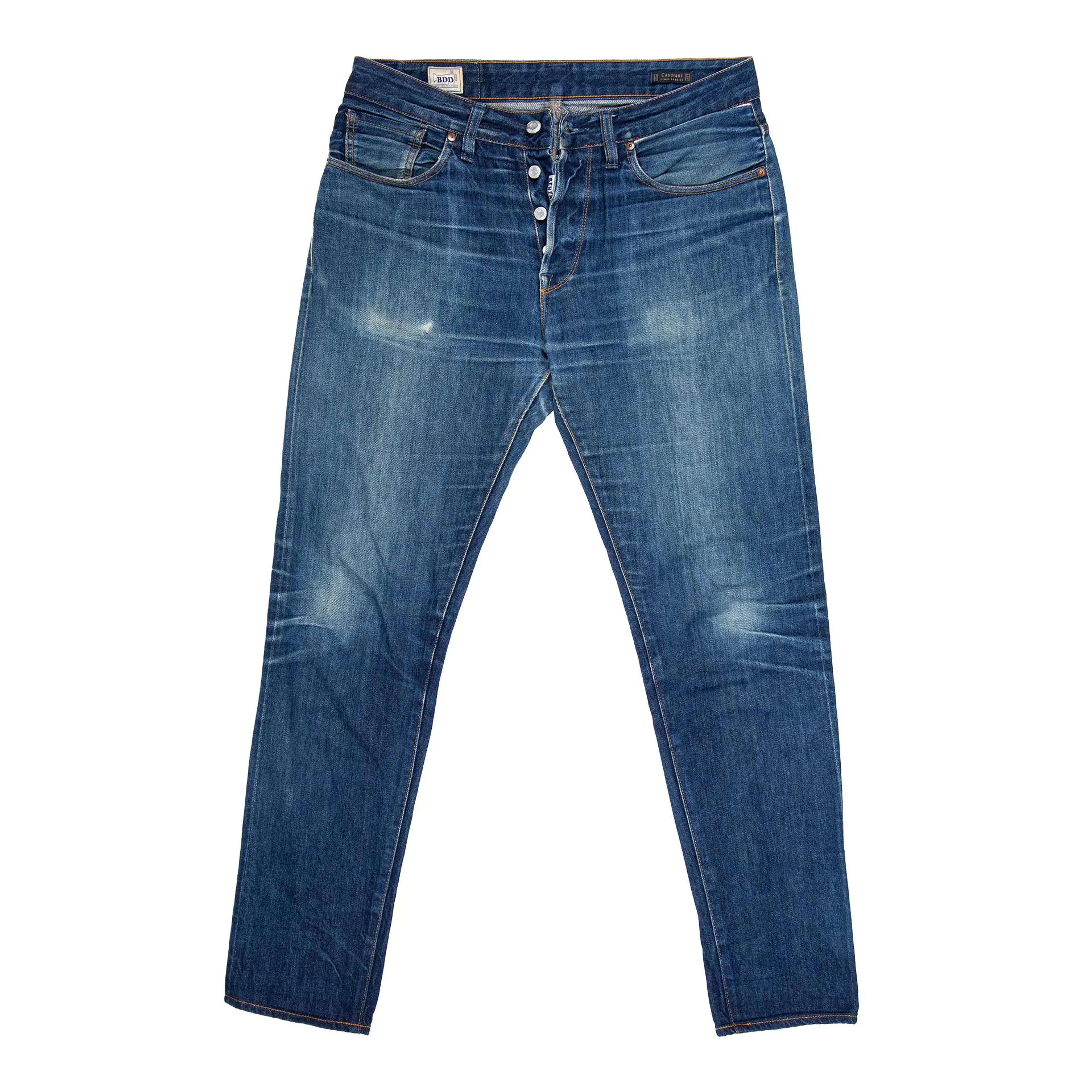
You can see clear fading around the knees and pocket areas
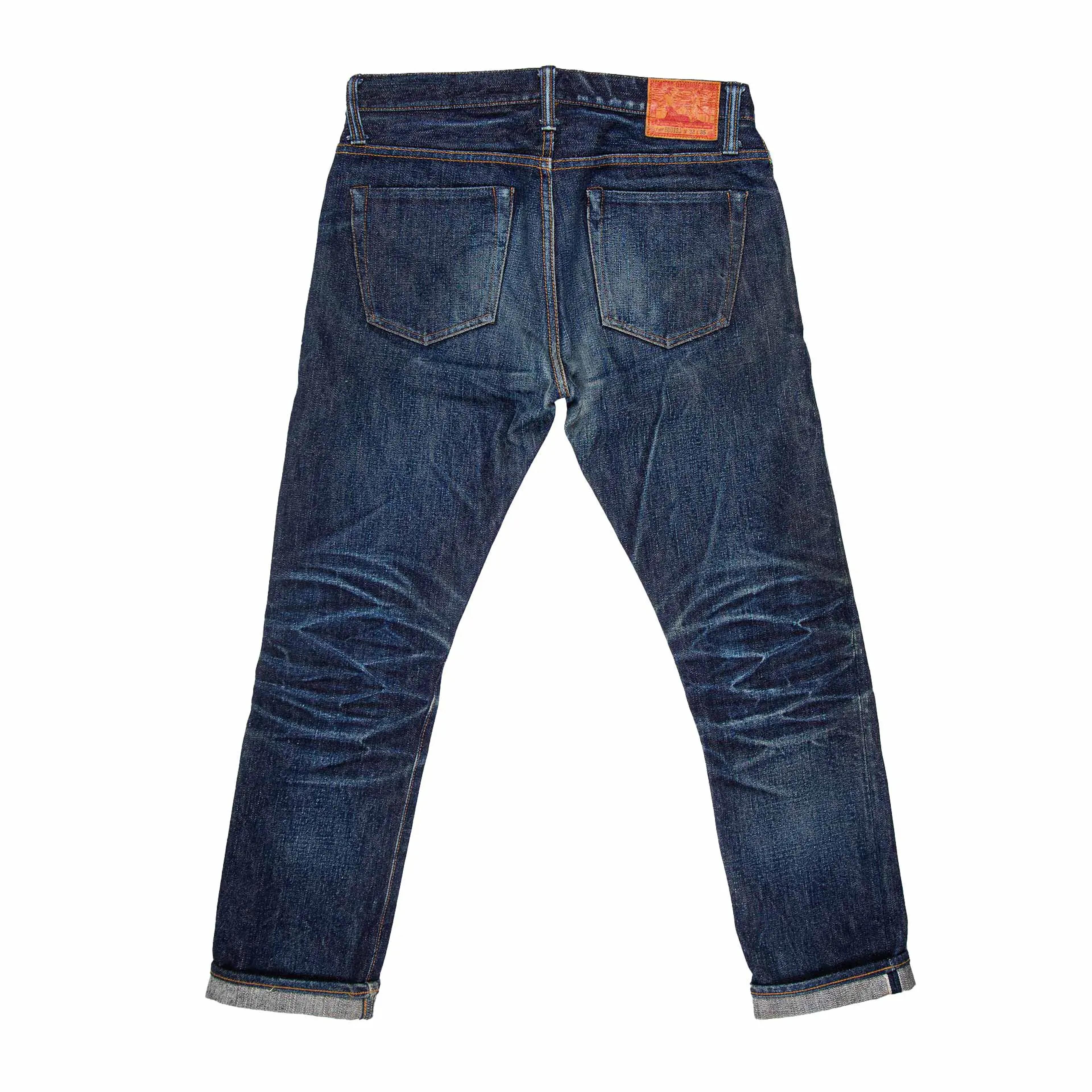
The back of the knee will see more friction than the rest of the leg, leaving a unique color pattern
Like all trousers, jeans come with different rises. It describes the distance from the crotch point to the top of your waistband.
If you have been reading any of my earlier pieces on the topic of trousers, you know I am a huge fan of medium to high rise trousers. Wearing your trousers on your natural hip gives you a more flattering silhouette, it makes your legs seem longer, and it is a more comfortable place for your trousers to rest. This is true for jeans as well.
That being said, depending on the cut of the jean, you can quickly go a bit overboard with this. A very high waist with a boot cut leg will lean heavily into an old cowboy look. Nothing wrong with that of course, but it might not be what you want for every scenario.
When we talk about the fit and the cut, we talk about how it sits on your body, all the way from the waist down to the leg. There are many different variants here, and it’s the deciding factor for comfort, but it also has a significant visual impact.
In 2026 I think you should avoid slim fit jeans. It was a huge trend in 2010, but we have since learned that a spacious silhouette is more flattering and definitely more comfortable. For them to sit that tight you would also have to select a fabric with a lot of stretch material, like elastane, which would quickly loose its shape, and as all synthetic fibers, comes with a higher environmental impact.
When we say jeans are tapered, we are talking about the width of the ankle being narrower than the waist, often starting to narrow from the knee. It can sometimes be referred to as a carrot fit. A straight fit will have the same width along the whole leg. Both of these are good options if you have a slimmer body and wants something that compliments this.
Wide-leg, relaxed or loose are used interchangeably, describing a more roomy fit. This can sometimes be taken to the extremes, which is why I always like to try on a pair before deciding. If you are in need of a more spacious seat, these are likely the fits for you. Some brands will offer a combination of a loose seat and a straight leg, giving you the best of both worlds.
The very bottom of your jean’s leg is called the hem. How your hem sits is a stylistic choice, and can make a difference based on the shoes you’re wearing.
Just like with suits, you can opt for a cropped hem, or a break, meaning it will rest on top of your shoe so that the fabric slightly creases inward. You can also go for cuffs, which I have noticed is a very popular choice these days, especially among the enthusiasts who leans towards exaggeratedly large cuffs.
Personally I think the cuffs are the most versatile option, because it also allows you to adjust the length, unless you decide to stitch them to a fixed position. With boots I allow for a bit shorter trousers than if I wear loafers or dress shoes. In those cases I think a break at the end compliments the low shoe much better.
Like most subjects, you can get really into the grit of jeans. There are many tiny details that an enthusiast might know a lot about, but that wouldn’t make a difference to the common consumer. Things like warp and weft refer to the position of the threads, and selvedge describes the very last millimeters of the fabric where a self-finished edge can be spotted by the keen eye.
Denim will also come in different weights, much like suits, but the majority will be in a middle-weight 12 to 16 oz. Specialty stores will likely feature some heavier fabrics.
If you want to go deeper into this, I suggest reading this info page by Levi.
I have tried for some time to find jeans that fulfill all of my criteria, and I have gathered a couple of brands and models that I think deserves a mention. I have focused on them being versatile, durable and something I expect you to be able to wear for a long time.
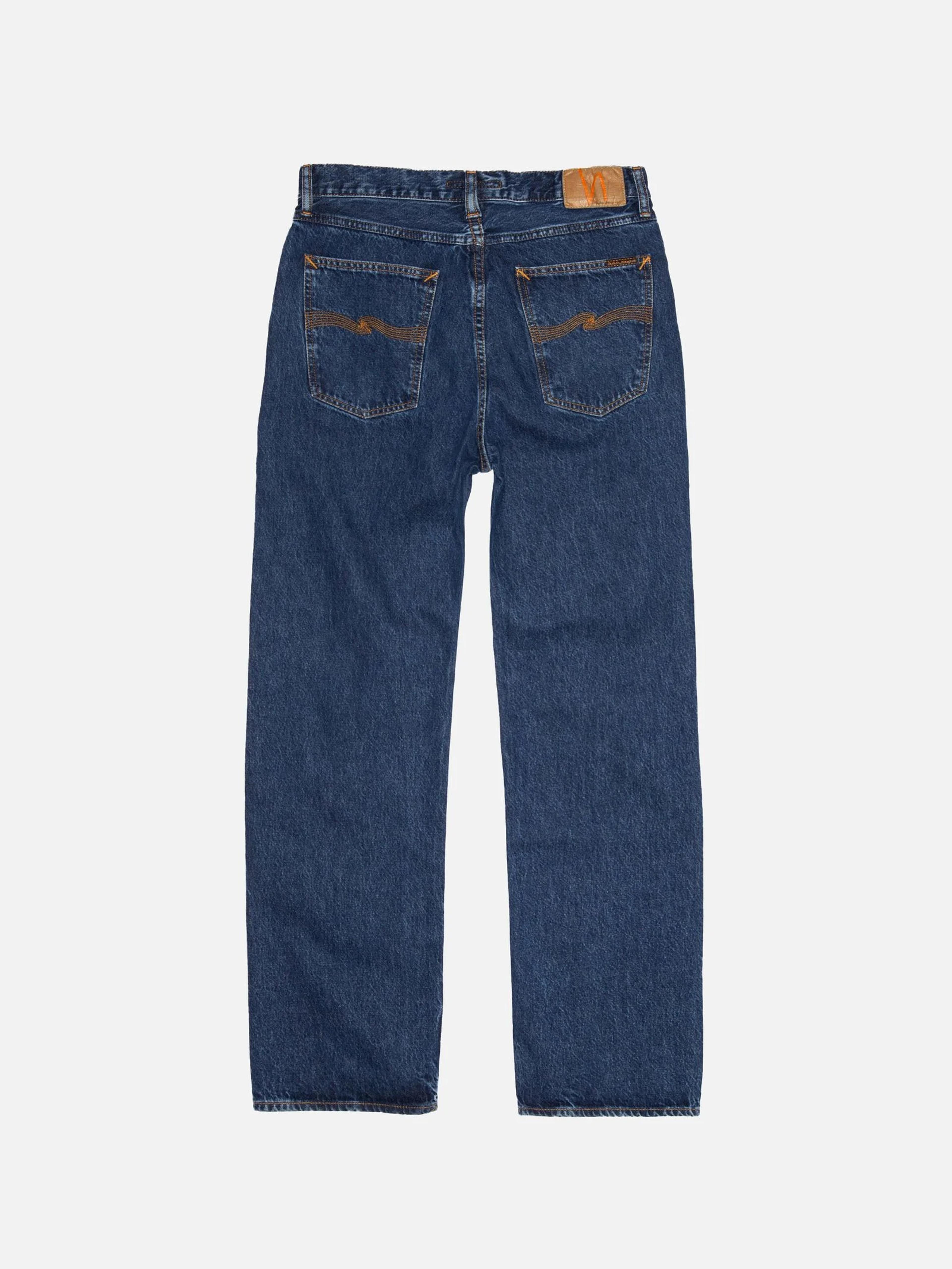
My latest purchase of jeans was the Tuff Tony model from Nudie Jeans in a dark-blue stonewash. I had been looking for a pair of jeans that could serve as my go-to office jeans, meaning I wanted it to pair nicely with a blazer and a shirt, as well as a more casual knitwear combination.
I knew I wanted a high rise, and when I compared different models, such as the renowned Levi’s 501, most brands couldn’t offer a rise that I thought was high enough. The Tuff Tony offers a higher rise, as well as a wider seat, making it more comfortable if you have larger thighs.
I also knew I wanted a comfortable and spacious leg, without it becoming so wide it would cross over to being a true loose fit. That is why I landed on Tuff Tony, which is labeled as a loose straight fit – the perfect hybrid for me.
Every pair of Nudie Jeans comes with a promise of free repairs in all of their Nudie Jeans Repair Shops, which I think is really nice. Their price point is around mid-level, so the additional repair service is an unexpected extra feature.
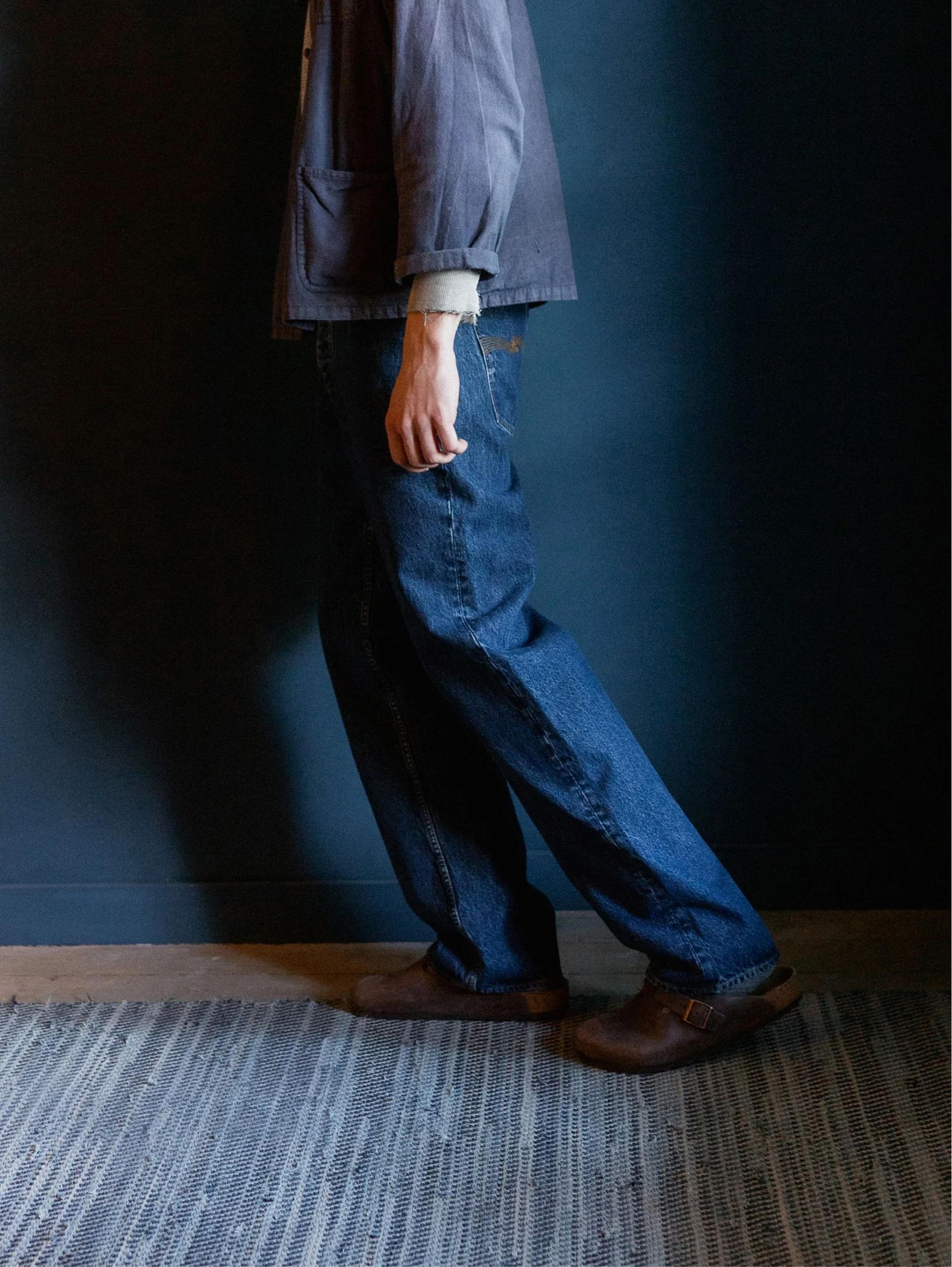
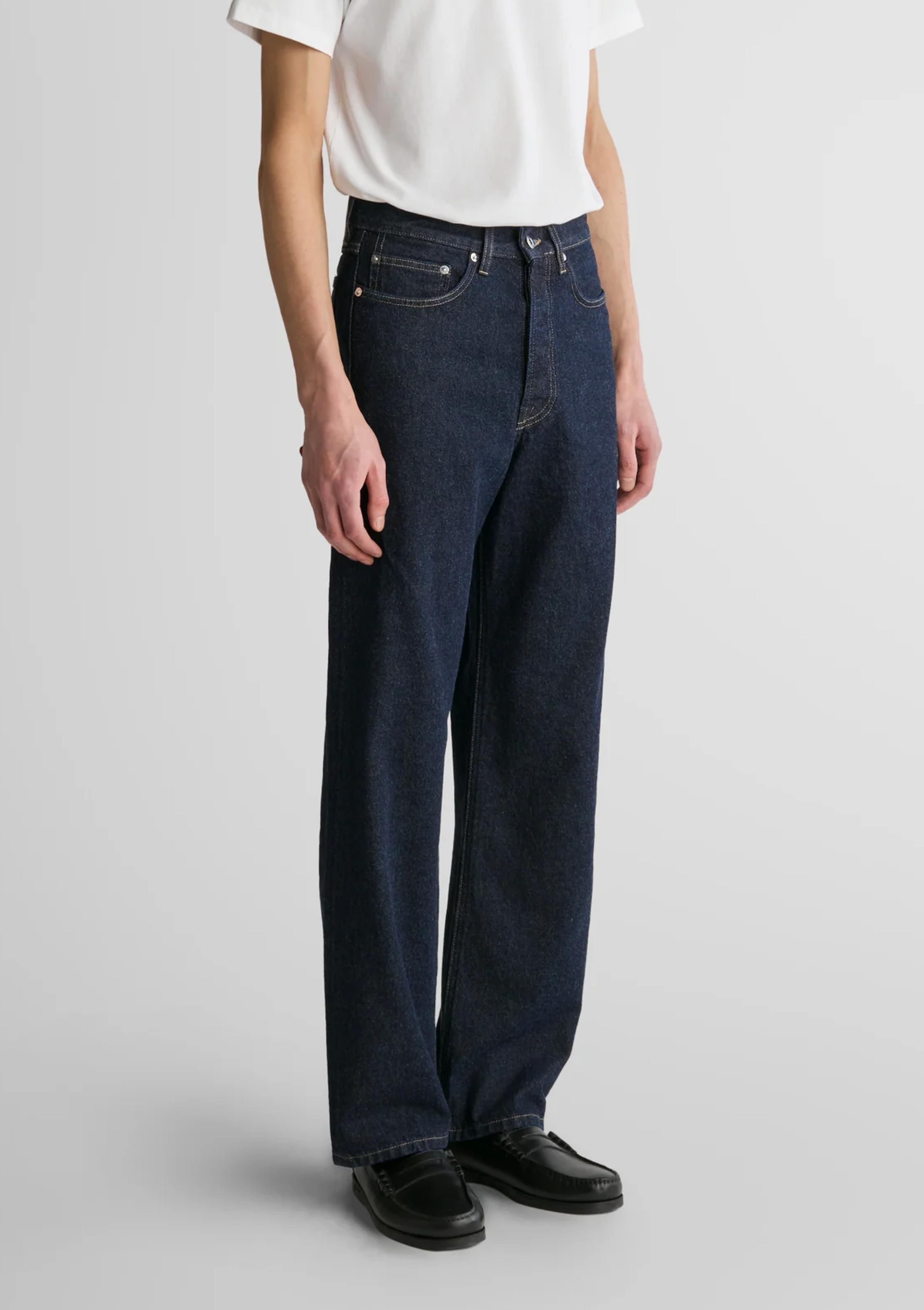
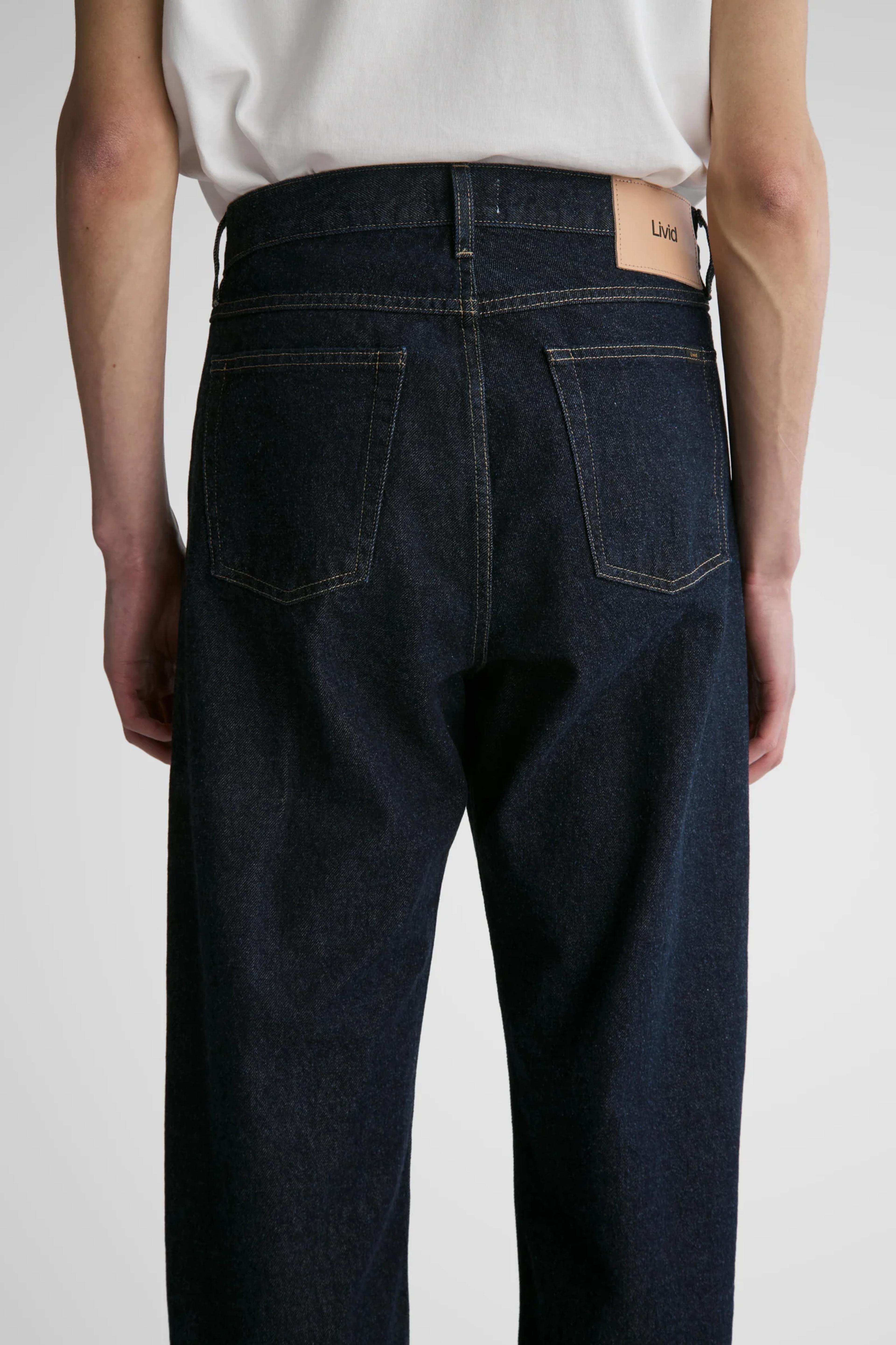
The Norwegian brand Livid has become a well known brand for jeans enthusiasts, especially in the Nordics. I went to Livid when I wanted to get my first pair of jeans with a proper high-waist, as they (as far as I know) offer the highest rise available in the immediate vicinity. They also offers quite long models, which allowed me to go for a large cuff to give it some added weight and detail.
Barnes is a high-rise and wide straight, similar to the Tuff Tony. However, it is both higher and wider, so if it’s your first time exploring this style, you might find it a bit extreme. I did however decide to lean into it, and I have come to love this pair as I’ve gotten used to it.
It’s available in multiple colors, but the one-wash Japan rinse has a beautiful dark tone that I just can’t recommend enough. This is one of those jeans that will develop a unique patina as you wear it, so no pair will look identical.
Livid Jeans also offers free first-time repair on all their jeans, covering normal wear and tear: early stage holes at the crotch, inner thigh, knee and pocket lining. Their price point is quite high, so having the option to extend their life span is appreciated.
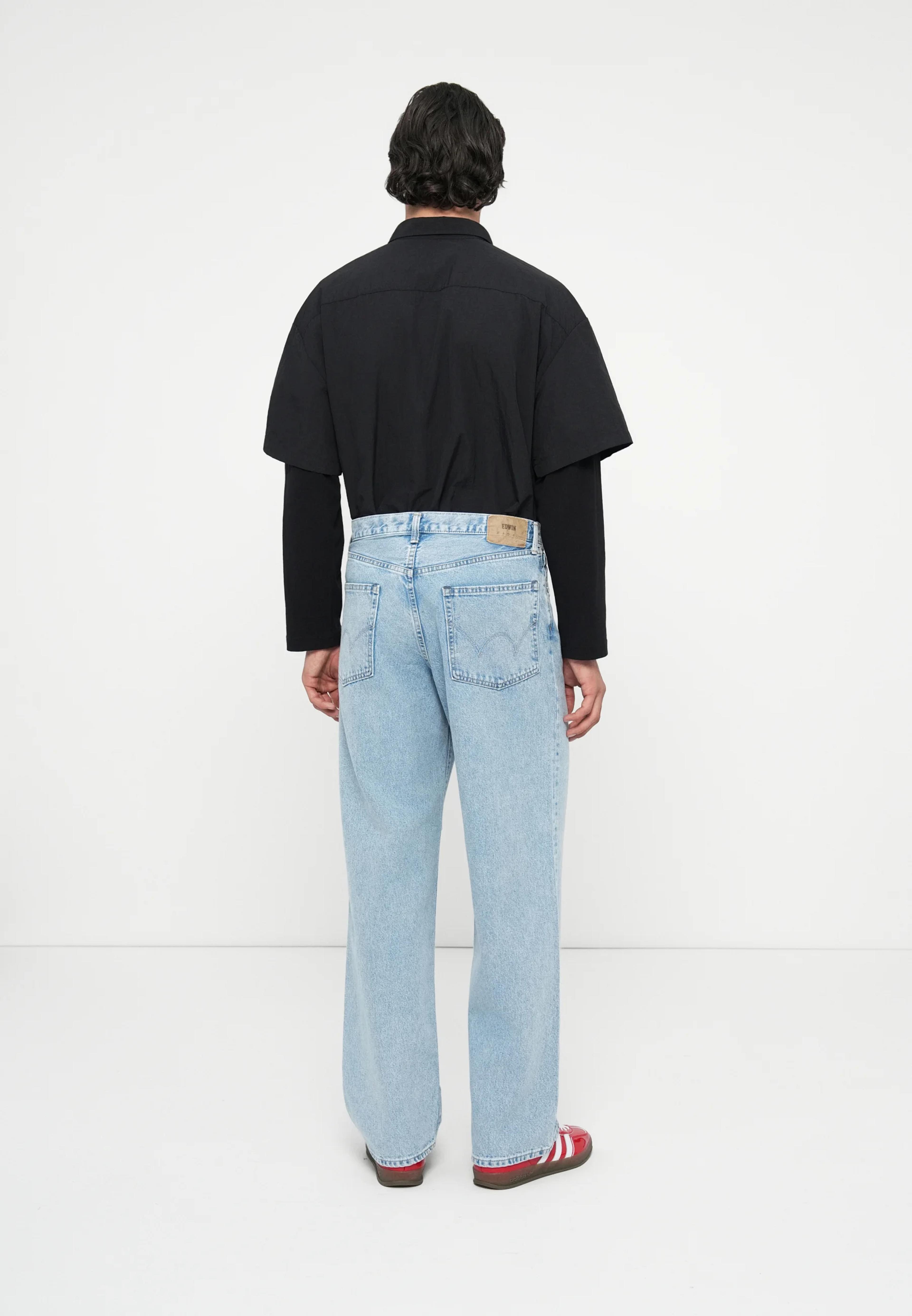
Edwin is a Japanese denim brand founded in Tokyo, renowned for their innovative ideas and craftsmanship. They helped introduce American vintage jeans to the Japanese market in the 1960s, which created a notable denim fever.
Today, Edwin continues to set the gold standard in Japanese denim production. It is quite accessible in the European and Scandinavian market, with an affordable price tag – something that is not often the case for Japanese denim.
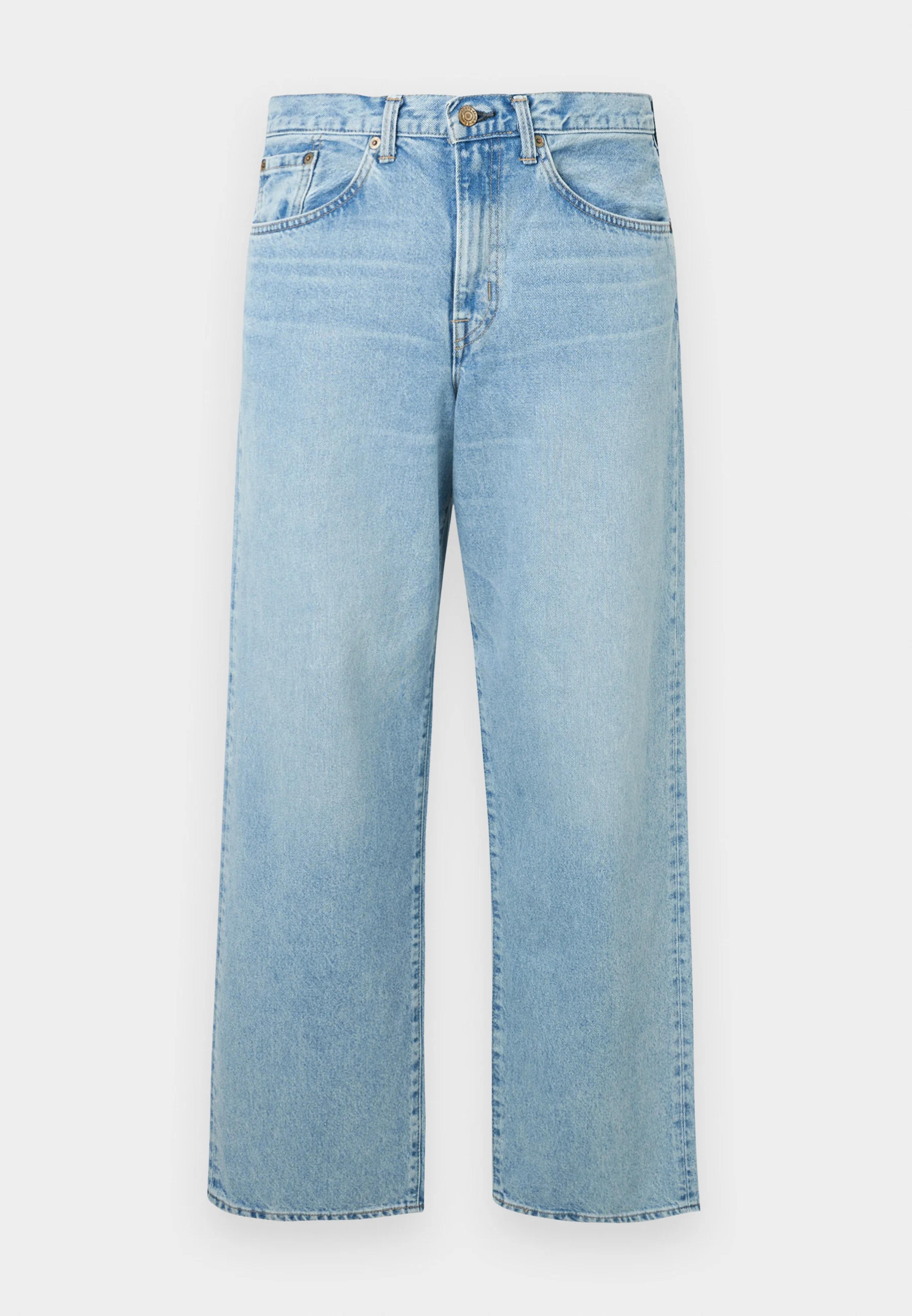
Edwin offers a couple of different models with a mid-to-high rise, as well as a true high rise. I recommend looking at the models Edwin Wide Pant and Edwin Loose for these type of fits. They have a wide range of different washes and colors, and I’m currently considering this for my next pair of summer jeans in a lighter color.
Edwin jeans is offered by multiple resellers who often will have good discounts.
To ensure you can enjoy your jeans for a long as possible, you need to care for them properly. They are made to be durable, but they are prone to wear and tear just like any other garment. Here are some tips to keep your jeans looking as good as possible for a long period of time.
Wash sparingly. Washing is often the most deteriorating factor of clothes, and jeans are no different. You likely don’t need to do a full machine wash after every use, you can save a lot of lifetime by leaning into spot cleaning and avoiding machine wash until you really need to. When you need to will of course vary from person to person.
Wash properly. It is generally advised to turn your jeans inside out when machine washed. This, together with using a mild detergent, is to prevent excessive color fading. Close the zipper/buttons and chose a gentle cycle to help it maintain its shape and prevent excessive snagging inside of the machine.
Only air dry. Using a dryer will both damage and shrink your denim. This is the number one tip to follow. Simply hang the jeans inside out on a drying rack, preferably in the shade if you’re worried about the sun causing extra fading of the color.
I never recommend people purchasing a bunch of clothes just for the sake of stacking their wardrobe. Find out what you need by thinking of the occasions you are planning to wear it and the pairings you will be likely to make.
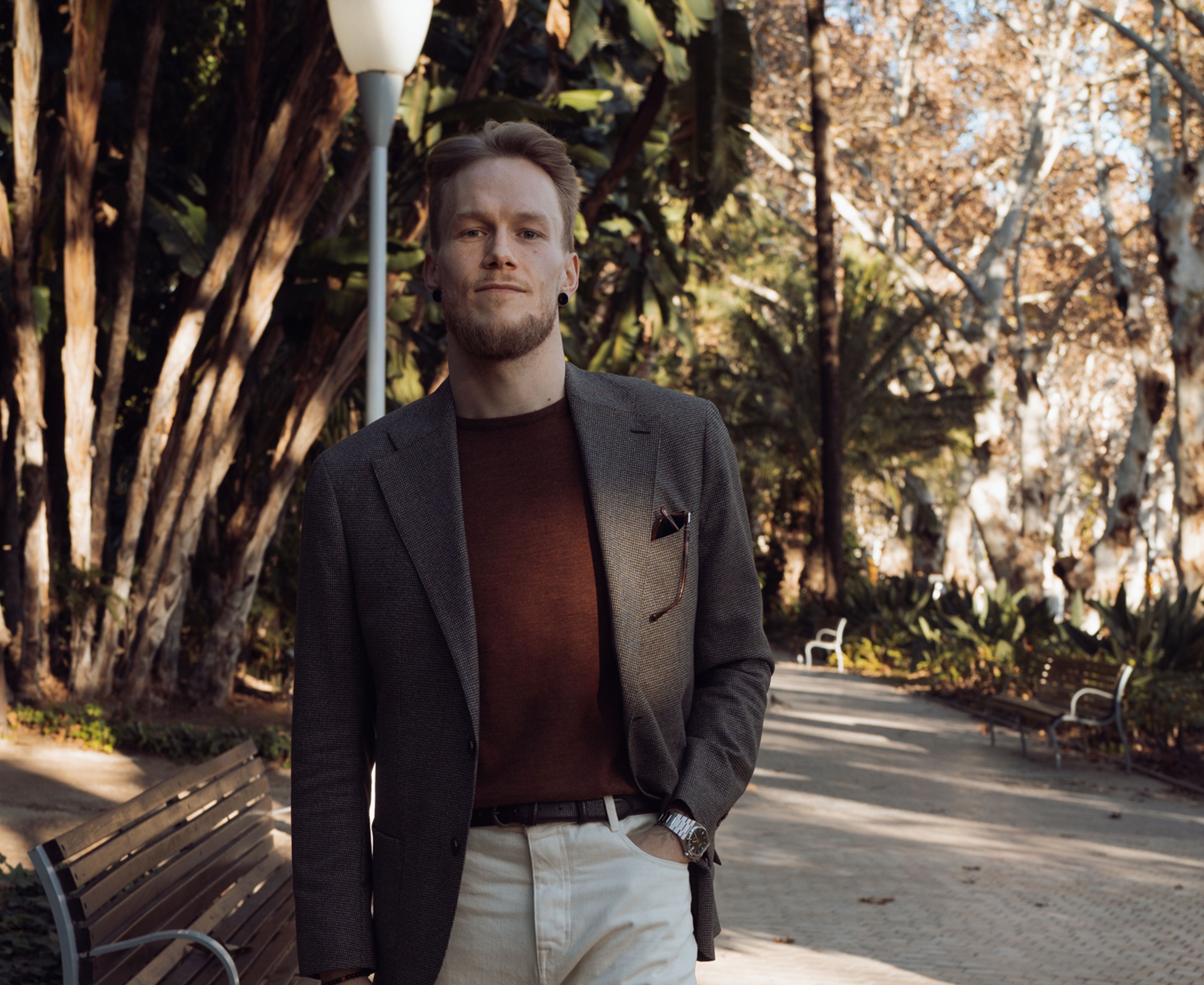
As an example, I lean more to lighter colors in the summer, paired with linen shirts in different variations. While the style is still casual and relaxed, the correct choice of jeans make it look intentional and stylish while effortless.
For the office, I generally recommend a darker color and a somewhat straight, but comfortable fit. It makes it really easy to dress up when needed, and it works with multiple color and fabric combinations.
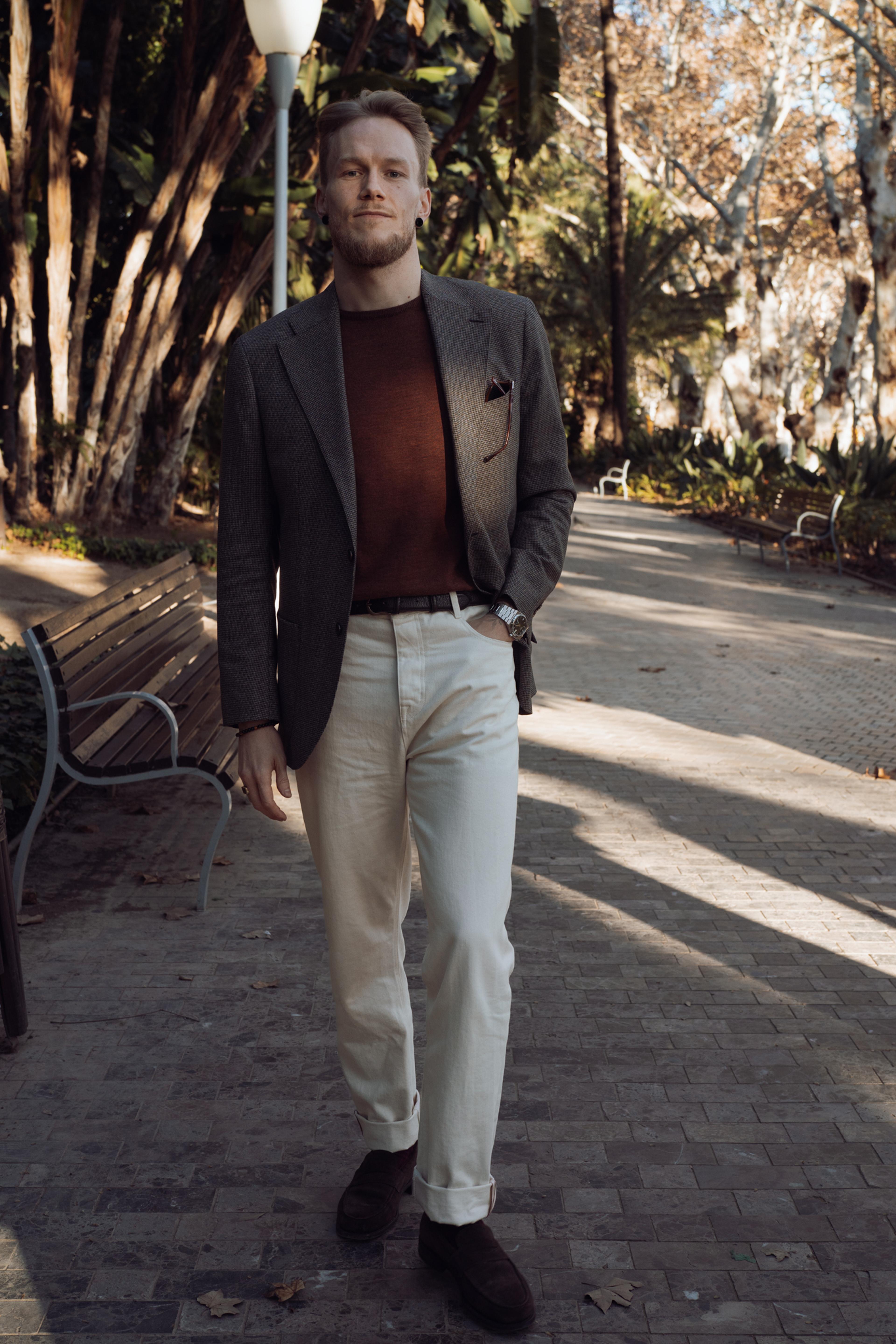
Ecru jeans is an excellent option during spring and summer
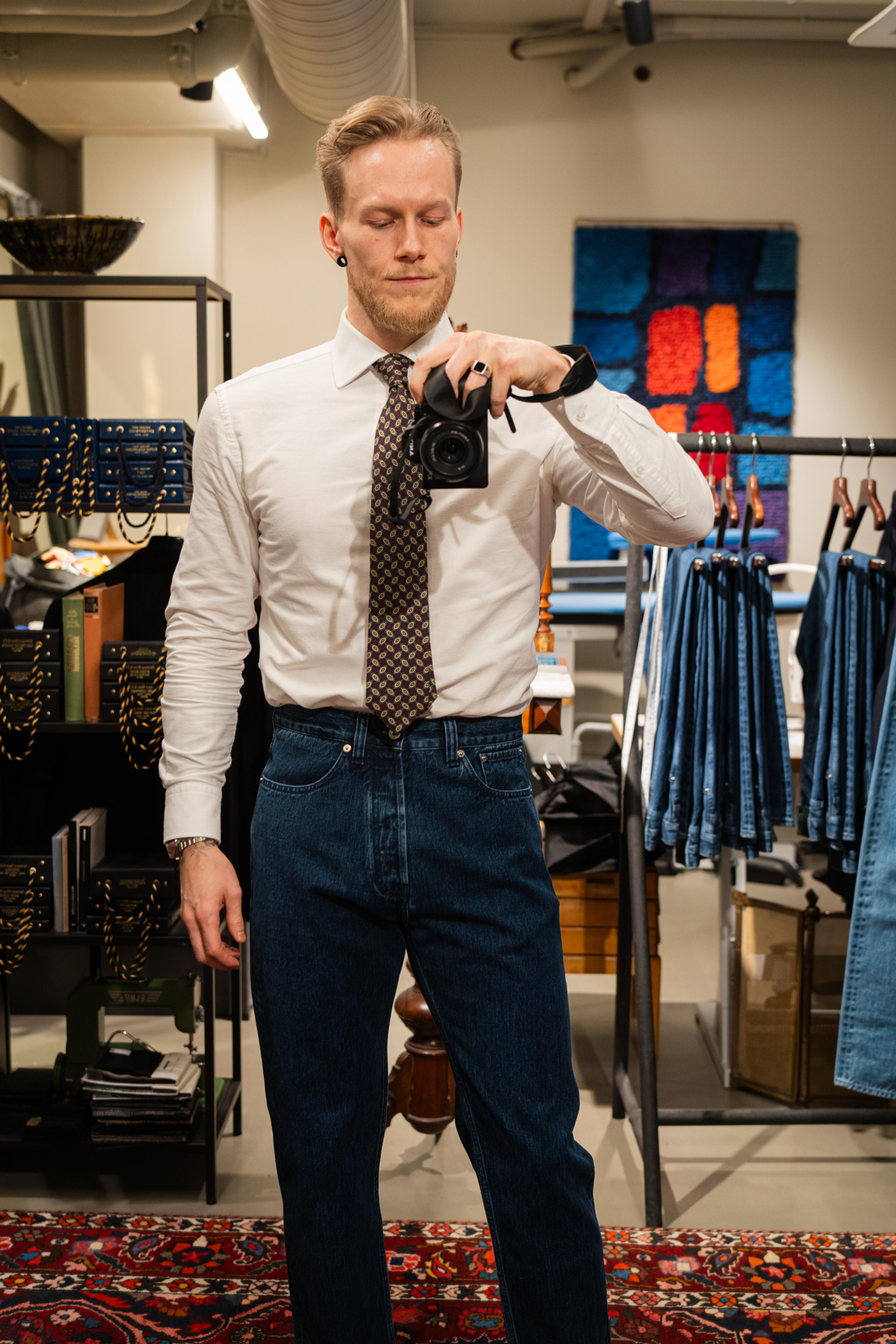
A darker jean is more formal than a light one, and will easily pair with both blazers and ties to elevate the outfit
Jeans are one of the few garments that reward patience. Buy deliberately, care for them properly, and they'll develop a character that no fast-fashion alternative can replicate. The right pair won't just fit your body - it'll fit your life.