Guides

Guides
Wedding invitations often include a dress code—ours was no exception. When we sent out invitations for our big day, which is happening later this year, we chose 'Black-Tie Optional.' Soon after, questions started rolling in: 'Do I need to wear a tuxedo?' 'What does this actually mean?' It’s time to clear things up.
Published at: Feb 16, 2025

Kristoffer Lund
The black-tie dress code originated in the 19th century as a less formal alternative to white tie. It was developed in the 1860s by Edward VII, Prince of Wales, in collaboration with his tailor. Over time, it became the standard for evening social events, particularly in Britain and the United States.
The classic black-tie ensemble consists of:
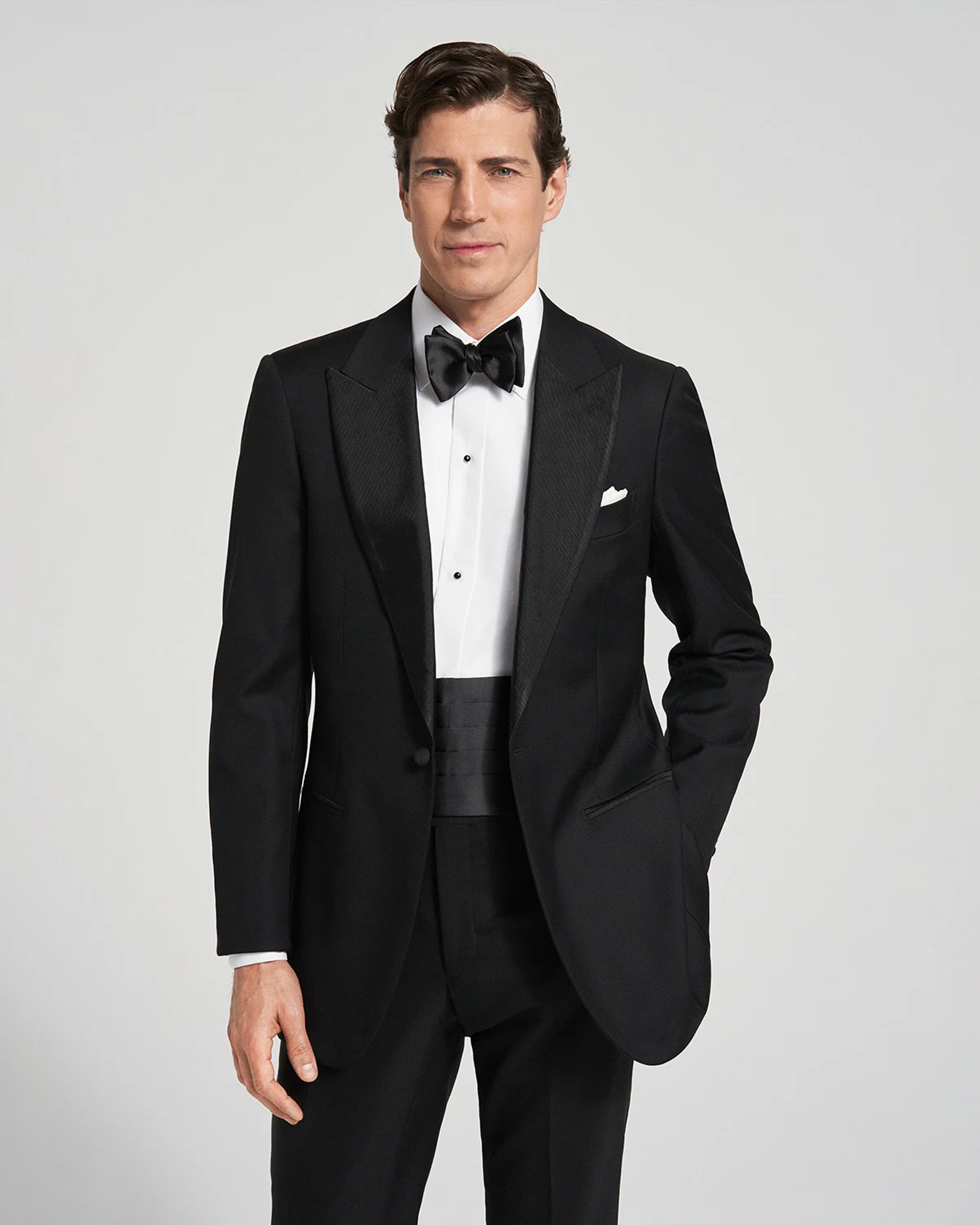
A classic ensamble
Over time, black-tie has evolved to accommodate more contemporary styles, but its essence - elegance, sophistication, and formality - remains unchanged. It is not completely unheard of that some will opt for calf leather oxfords instead of patent leather shoes, and the cummerbund has become less common in the recent years.
The black-tie optional dress code offers guests some flexibility while still asking their guests to wear their most elevated outfits. It means that the tradition black-tie ensemble is preferred but not required. Guests should aim to dress elegantly and in line with the event's formality, following a few key guidelines.
For men:
For women:
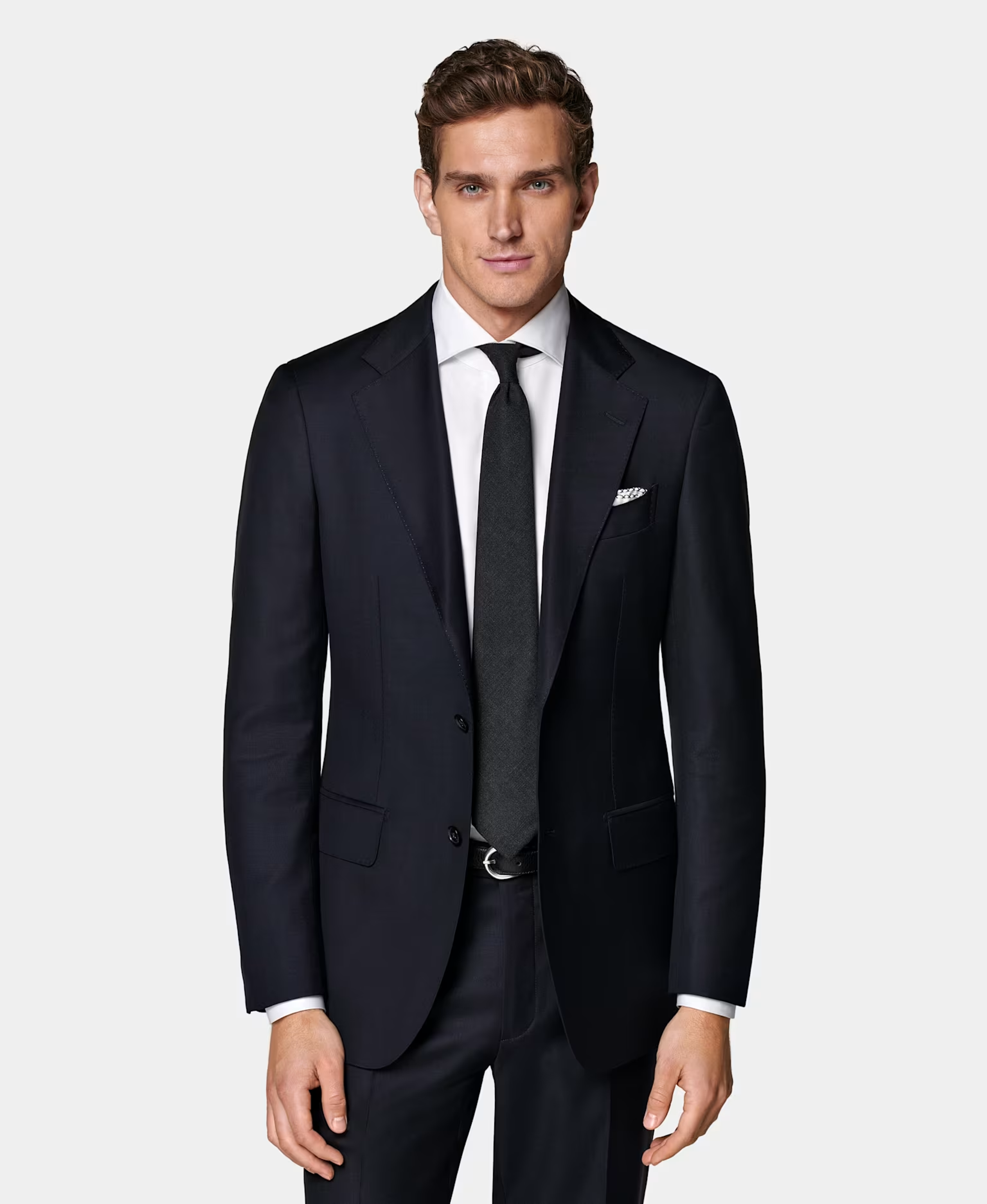
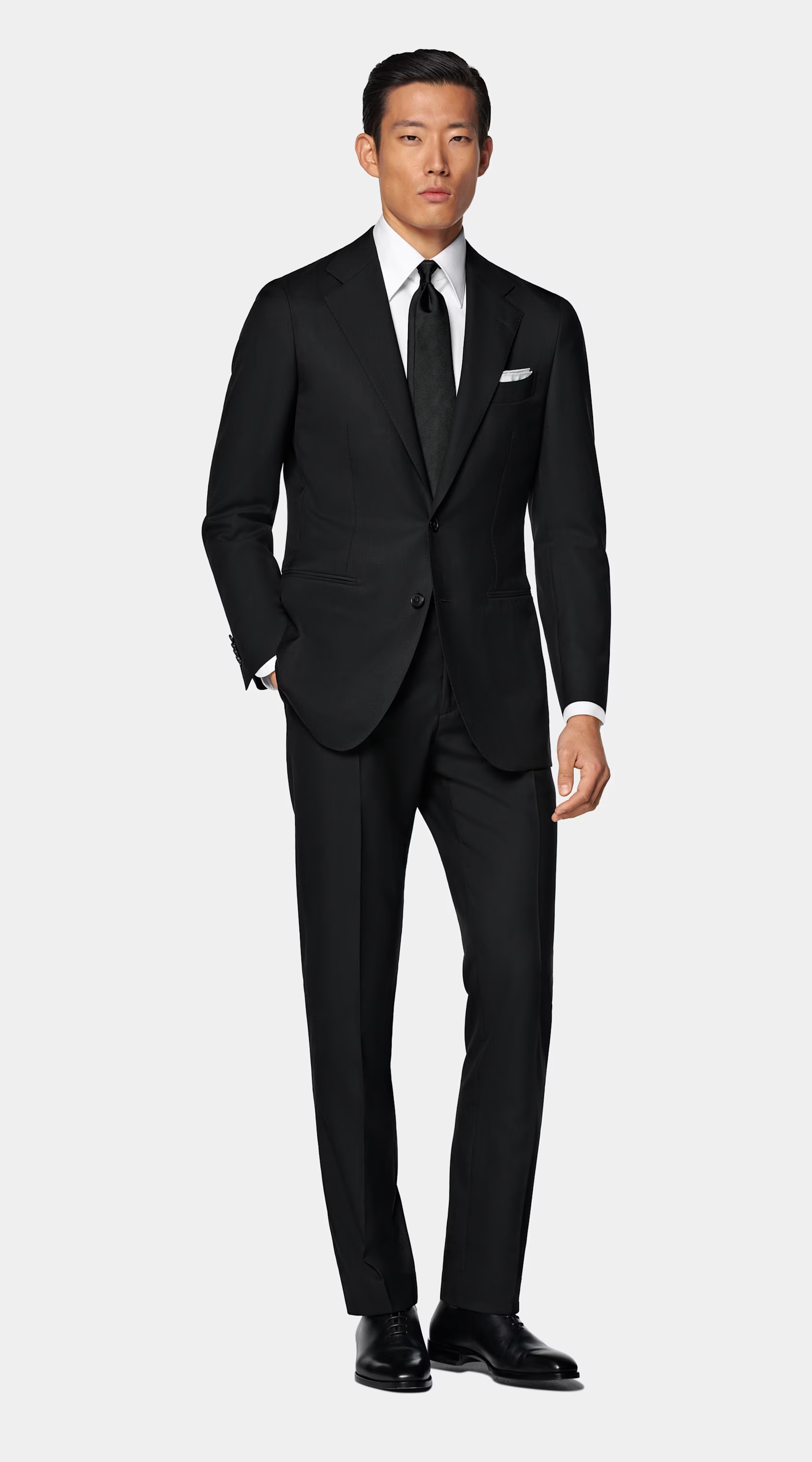
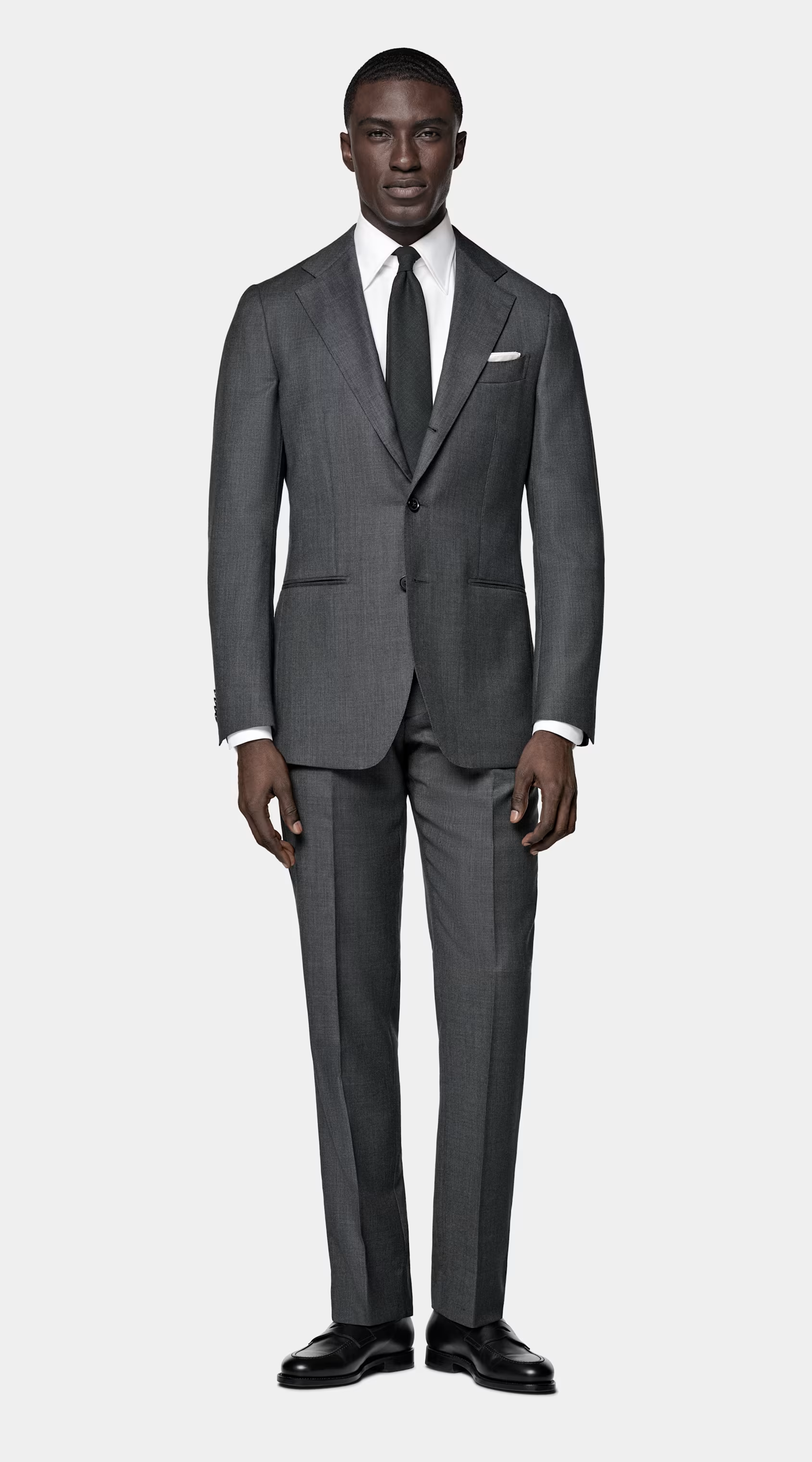
Footwear plays a crucial role in completing a black-tie optional outfit. While patent leather opera pumps or oxfords are the standard for a classic tuxedo, a black-tie optional setting allows for slightly more flexibility. Here’s what works and what doesn’t:
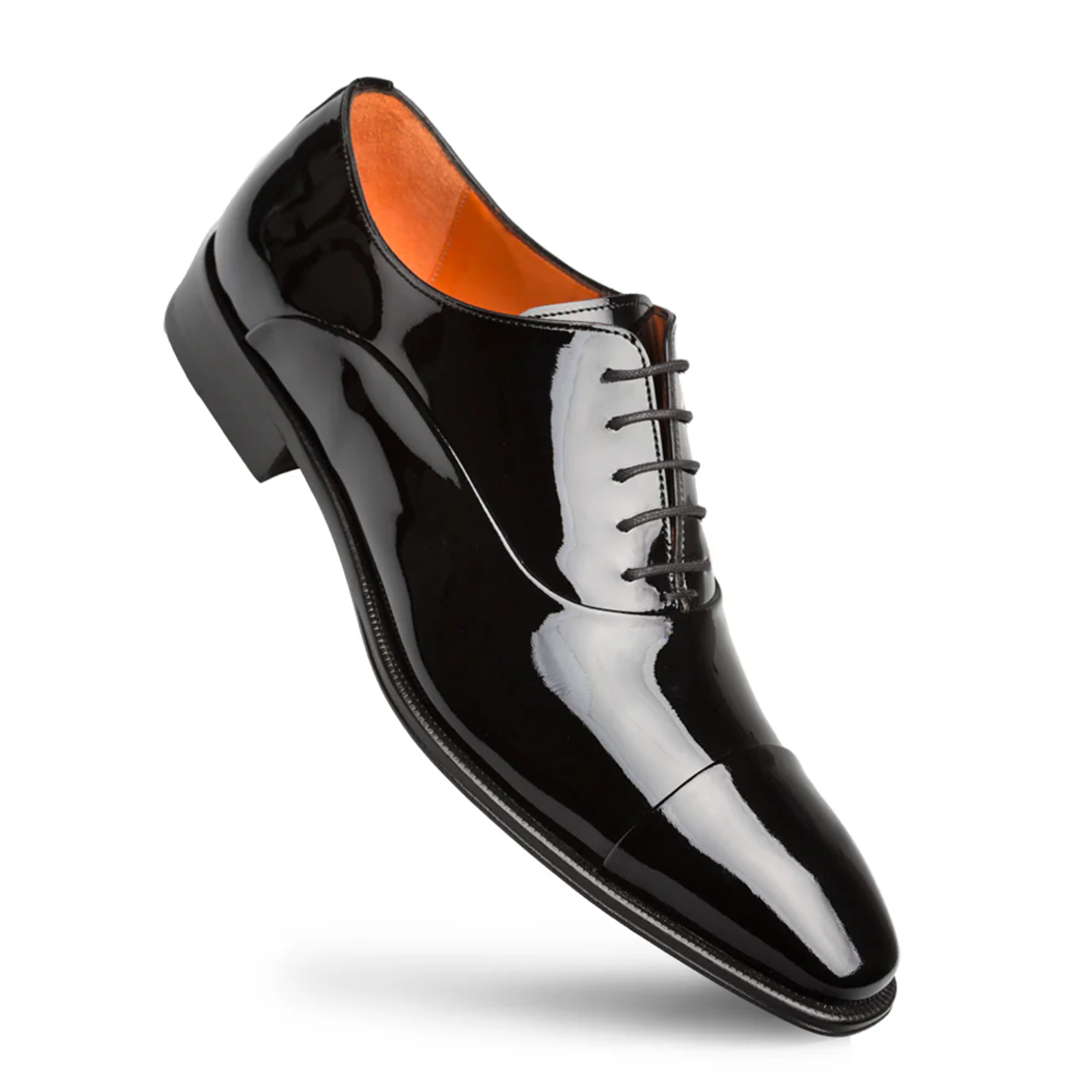
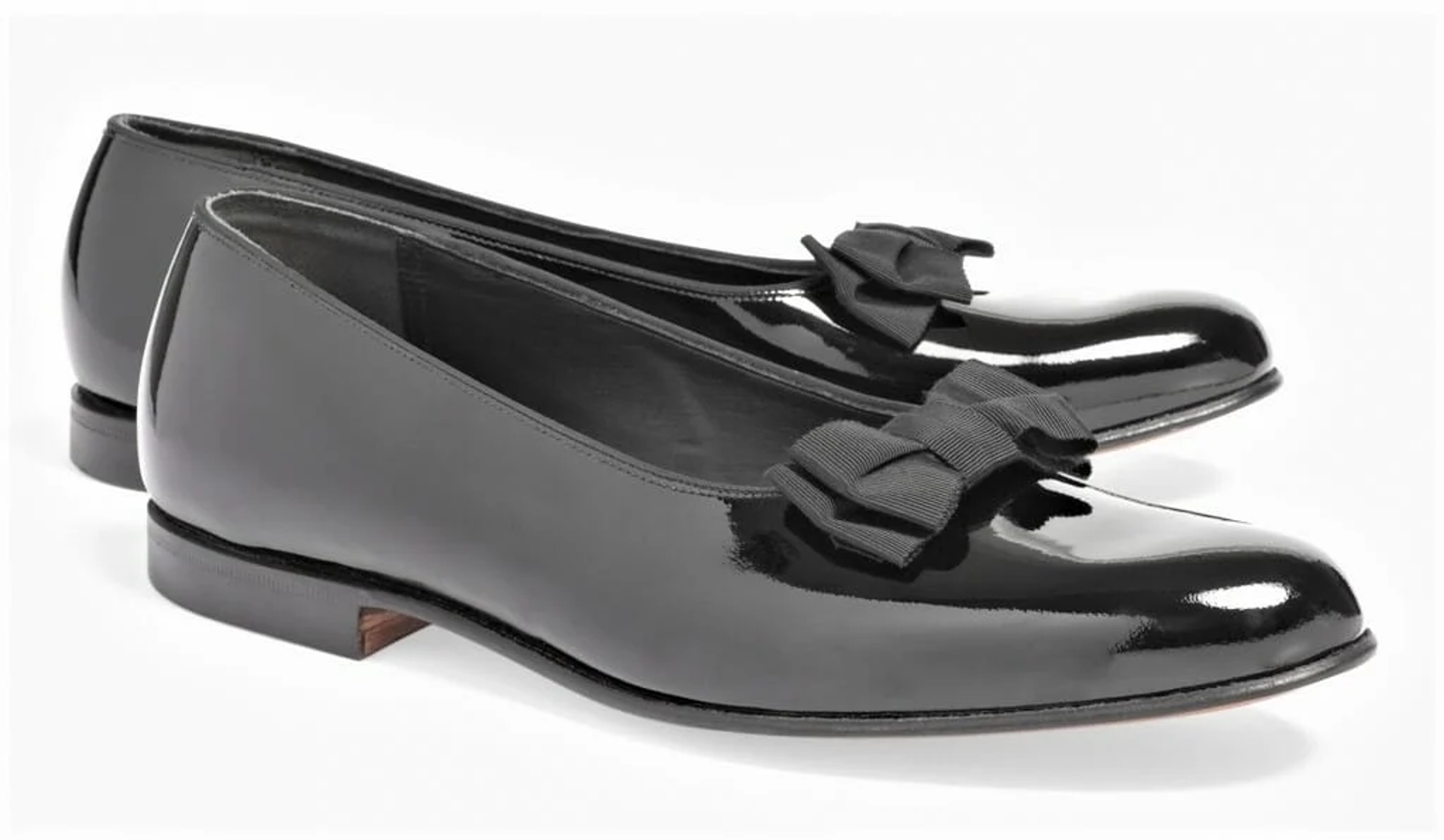
If you are reading this ahead of a coming wedding, remember that you are likely invited because of your connection to the happy couple. They will probably cut you some slack if you only have dark brown shoes, so don’t stress too much over every detail. The most important thing is that you show up looking polished and presentable!
If you choose not to wear a tuxedo to a black-tie optional event, ensure your alternative is still elegant and formal. When in doubt, always lean towards dressing more formally rather than less. If it’s a wedding, consider asking the groom—his attire will set the standard for the guests.
Regardless of whether you wear a suit or a tuxedo, fit is everything. Even the most stylish outfit can look off if it doesn’t fit well. Because of this, I’d think twice before renting a tuxedo unless it’s absolutely necessary and you’re unwilling to make the investment.
Cheers!