
Guides
The right socks won’t make your outfit, but the wrong ones may certainly ruin it. Whether you're aiming for casual comfort or formal elegance, the right socks can tie your look together. Because they are such a small piece of your overall presentation, I think it leaves some room for playfulness and experimentation – but some rules are worth paying attention to.
Published at: Dec 19, 2024Last updated: Jun 8, 2026

Kristoffer Lund
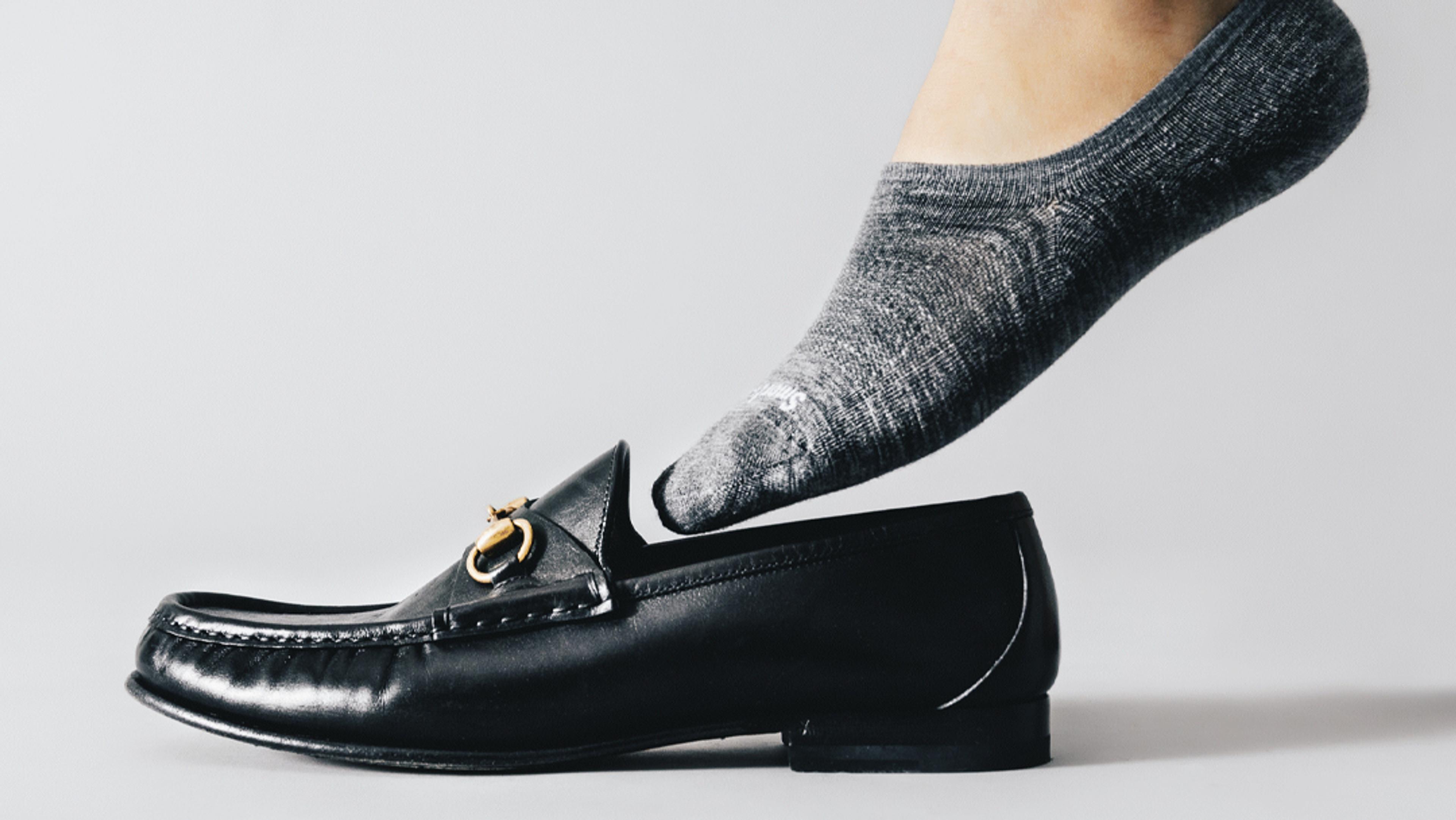
No-show socks, also called "invisible socks," emerged as a solution for achieving the sockless look without compromising on comfort or hygiene. Originally popularised in the 1950s by the Ivy League's love for loafers and boat shoes, they’ve since become a summer staple for casual menswear.
These socks are ideal for creating a clean, barefoot aesthetic in warm-weather outfits but should never be paired with dress shoes. One of the mistakes I often see with this approach is that the sock is a little bit too high up on the foot, leaving it visible above the shoe. This looks awkward and does not work well with a classic loafer look.
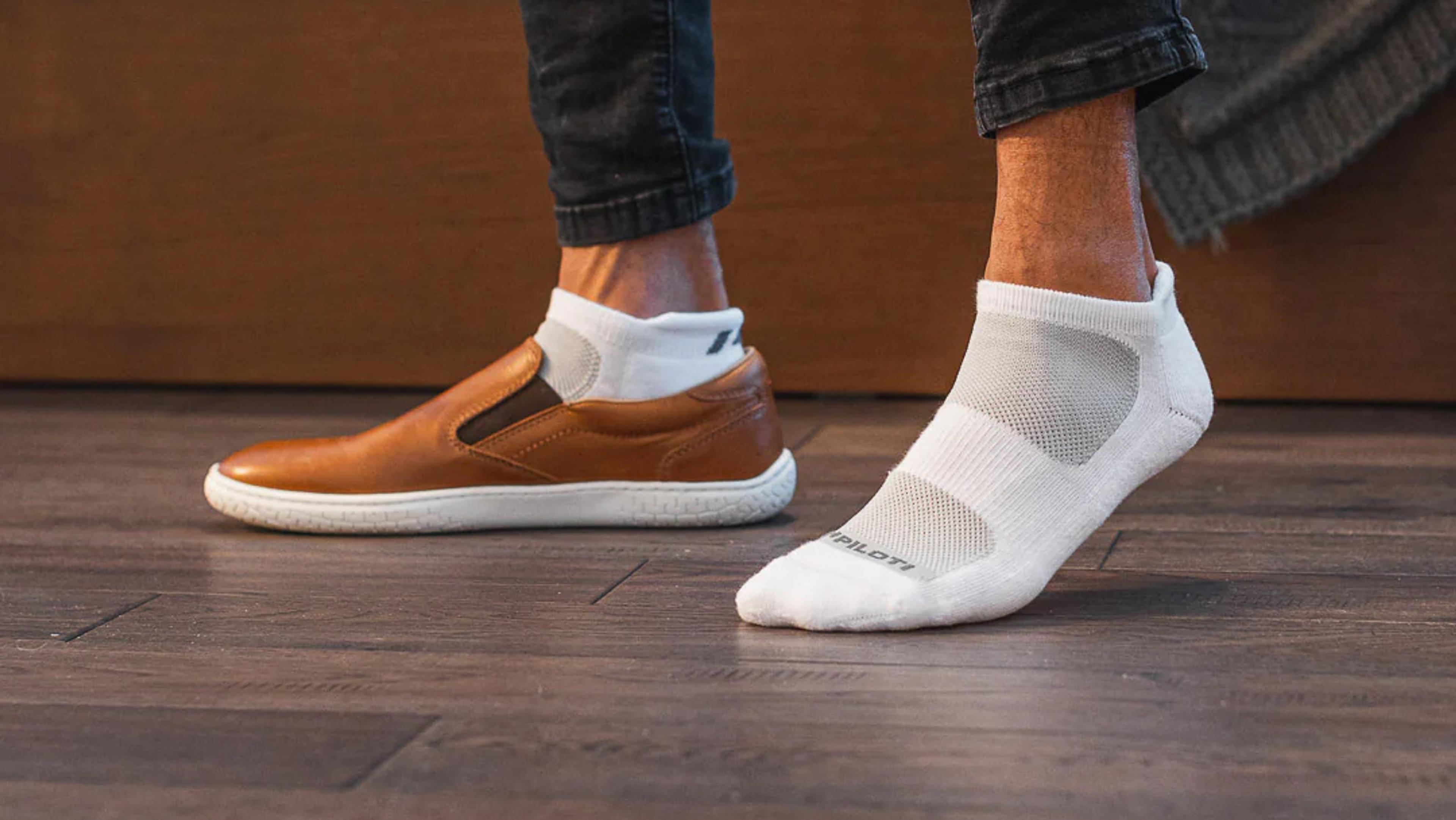
Ankle socks are similar to the no-show socks, but you will see the lining above the shoe-line – like I described as the big no-go for a classic look. They originated as part of athletic attire, but has since become wildly adopted by the casual and everyday wear style.
In my opinion these belong with your sportswear. If you wear loafers it looks odd to have half a sock peak up from the shoe, and it does not belong with any form of formal wear. I have also never seen these type of socks being made in a style that doesn’t scream sportswear, so I think there is a consensus for this statement.
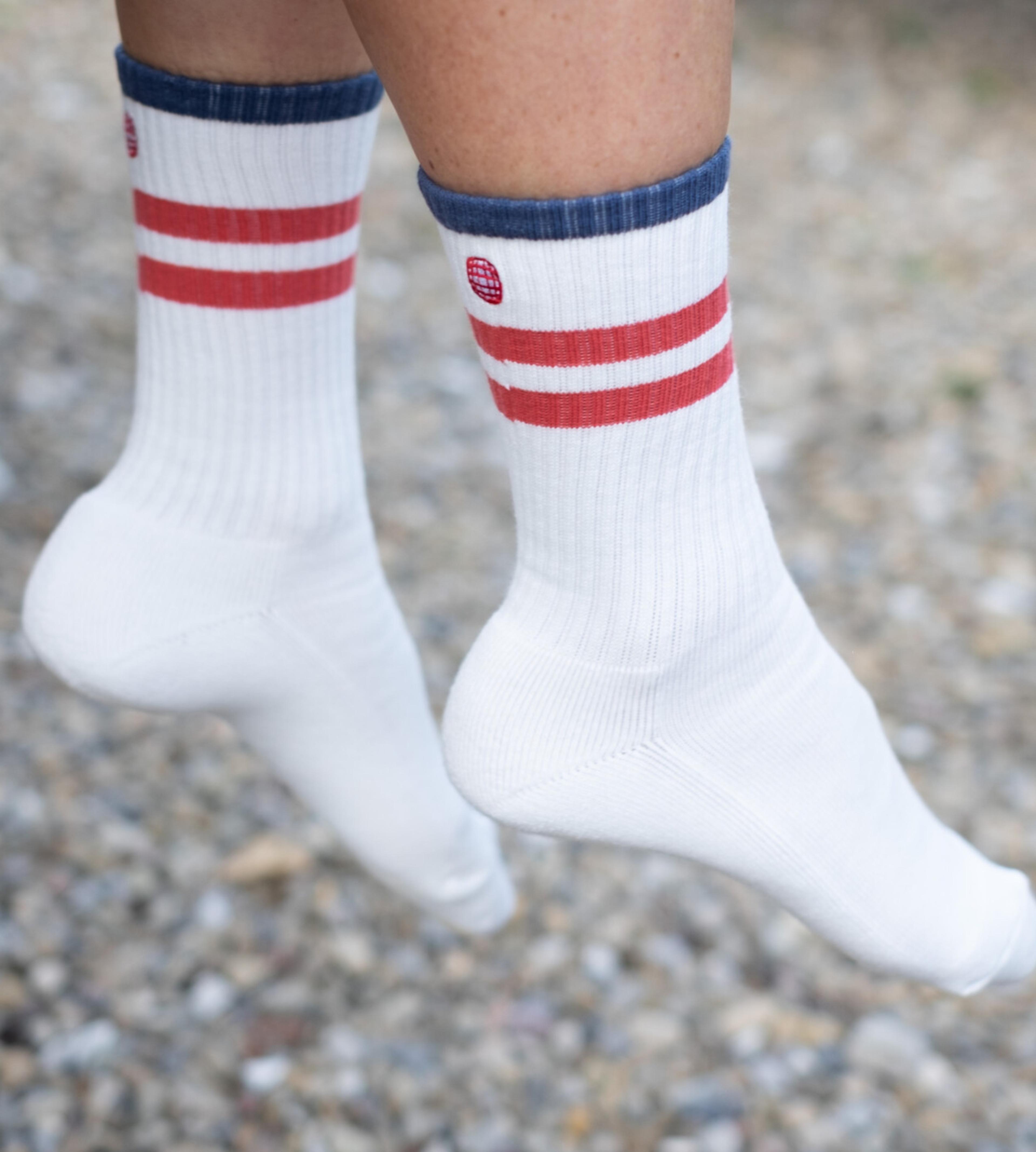
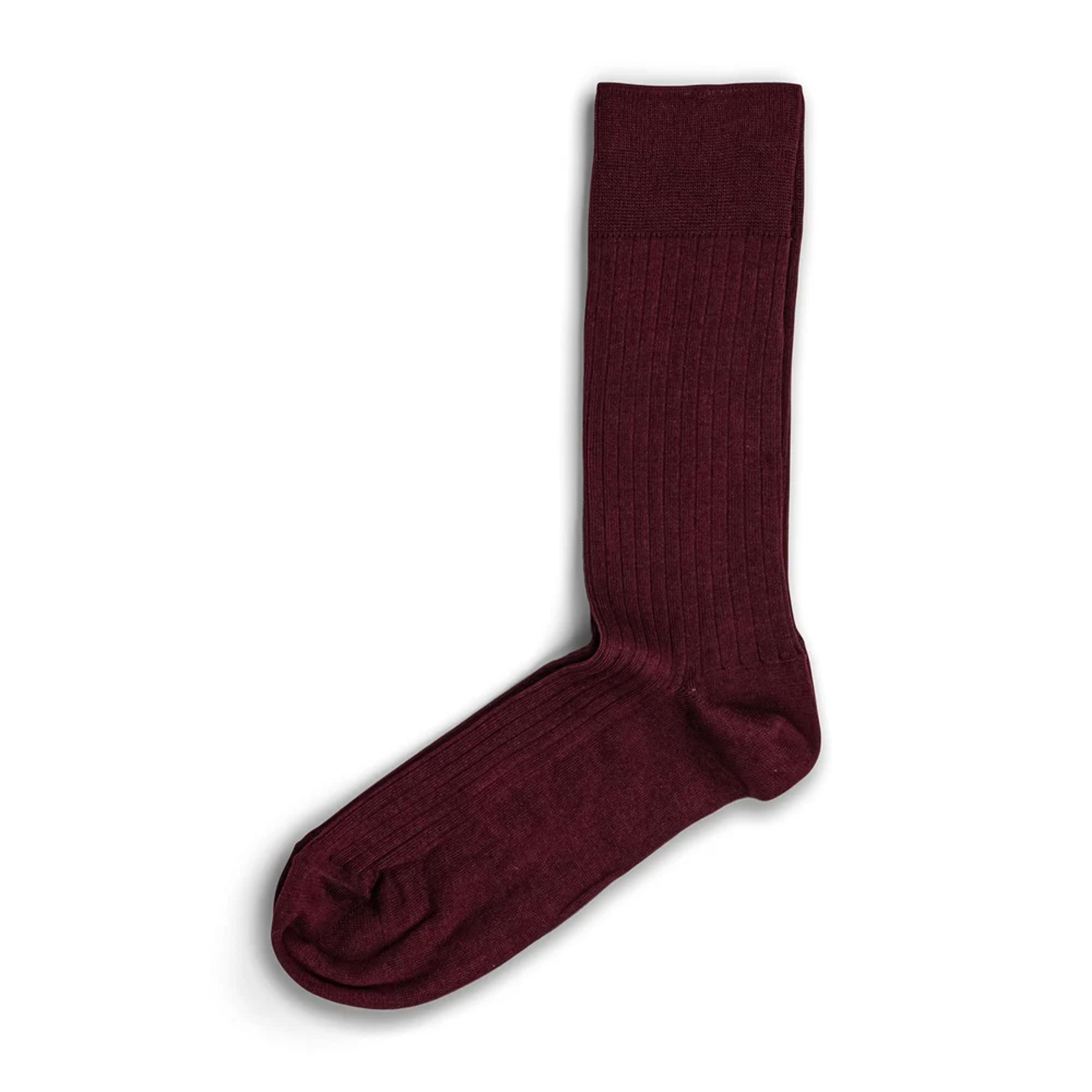
Crew socks are probably the variant you know the best and are used to wearing. A mid-calf length sock that transitioned into civilian use all the way back in the 20s, having been used by the U.S. Navy until this point.
As the style turned more casual in the 50s, they were used with loafers or sneakers and cuffed jeans, and in the 80s and 90s it became synonymous with sports and streetwear. It has maintained its status as a wardrobe essential due to the wide range of material you can make them with, and the versatility the medium coverage offers.
You have every kind of fabric composition with these socks, as well as color variation and design. The classic ribbed sock might work well for formal situations, but what makes it not the optimal choice is how it can easily slide down your calf and as you sit down you will expose your legs. This is not a flattering look, but luckily, there is an option that can solve this.
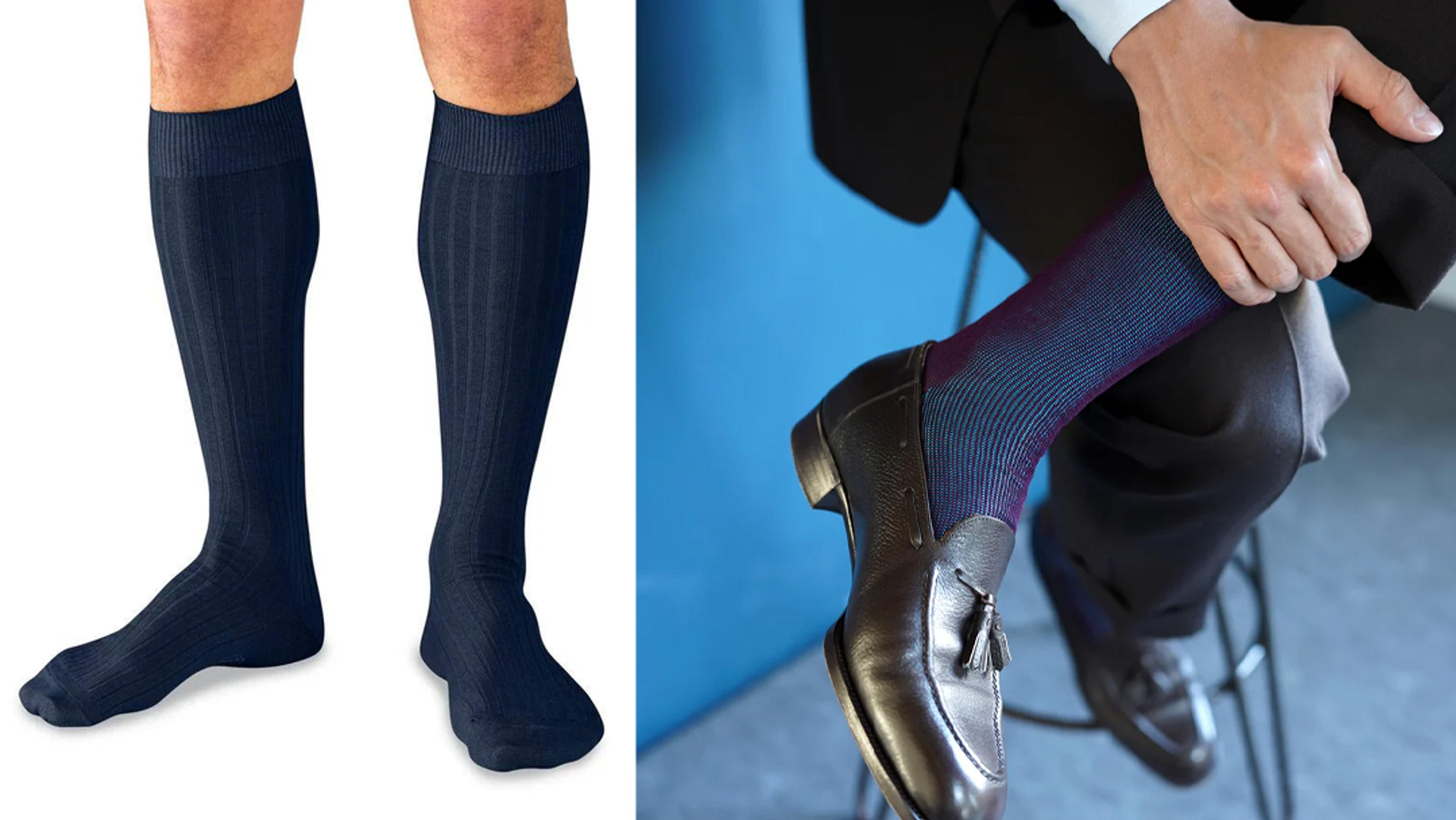
OTC socks have been a staple of formal European dress for centuries, persisting through the shift to full-length trousers precisely because they solve a problem: keeping your calf covered when you sit down. And that reason is just as valid today.
These socks still holds a place in the drawer of a classic menswear enthusiast, and should not be discontinued just yet. They are ideal for business and formal attire to ensure your calf is not exposed when seated. It is not a flattering look to put forward your hairy legs under your suit.
These socks can too be acquired in all kinds of fabrics to fit your need for temperature regulation. I’m not going to lie, wool made OTC socks can quickly become too hot when the temperature suddenly changes to spring – but in that case, you can switch over to a cotton made model.
We do, of course, need to talk about fabrics. Different fabrics comes with different properties and use cases, and you want to make sure you have picked the correct one.
Cotton is the most widely used fabric in both formal and athletic socks. It's lightweight, durable and affordable, and you can blend it in countless ways. It's quite cool and can come in designs that will fit most occasions.
If you look at sport socks and classic dress socks, they can all be made of cotton. They look widely different, which is why cotton socks doesn’t belong in just a single bucket of occasions. It’s a fabric that can take strong colors and help elevate your outfit with a playful detail.
Wool is a great material for socks, and has been used in manufacturing since the beginning. It will keep you warm in cold weather and cool on warmer days. It breathes well and will not absorb moisture as other materials.
For the formal kind, I will often opt for a blend of wool and a little bit of synthetic fabric to increase its durability. This is because the sock is supposed to be thin, and can easily wear out fast if it's made with 100% wool.
Cashmere is a luxury material. The properties are the same as with wool socks, but with a softer and more shiny feel. They will likely lose their shape over time, especially if it's made with 100% cashmere, so be aware that this is an added cost.
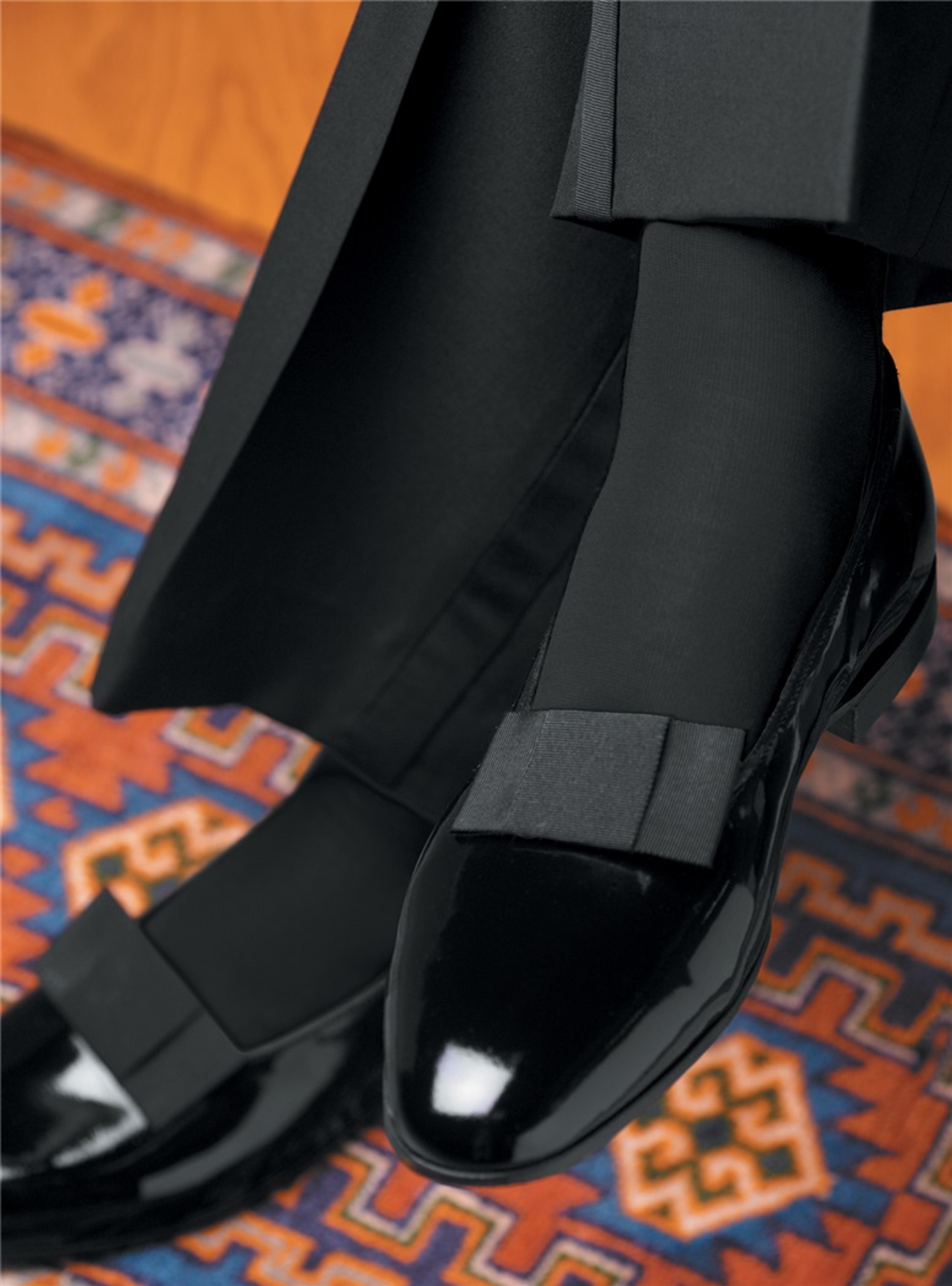
Silk socks are often reserved for black tie events. They are more expensive, less durable, and will often be very thin. Not a very practical sock, but it will elevate your look in formal events. Assuming black tie events is not a very frequent event, maybe that slight elevated elegance is worth it?
As all synthetic garments, this option is less breathable, less comfortable, but very durable. Socks are prone to a lot of stress on the fabric, being stretched over your foot, hitting against sharp nails, always rubbing against your shoe. It is therefore common to have a small portion of the fabric composition as a synthetic fibre, to help prolong the life time of your product – somewhere shy of 10%.
It’s completely fine if you want to go for the 100% organic fibre product, but expect some reduced robustness in terms of keeping its shape and potentially developing holes.
The key about pairing socks to your outfit is to make it seem intentional and not just blindly grabbed from your drawer. Think about the occasion, the outfit and your shoes. Make them elevate your look instead of drowning it out.
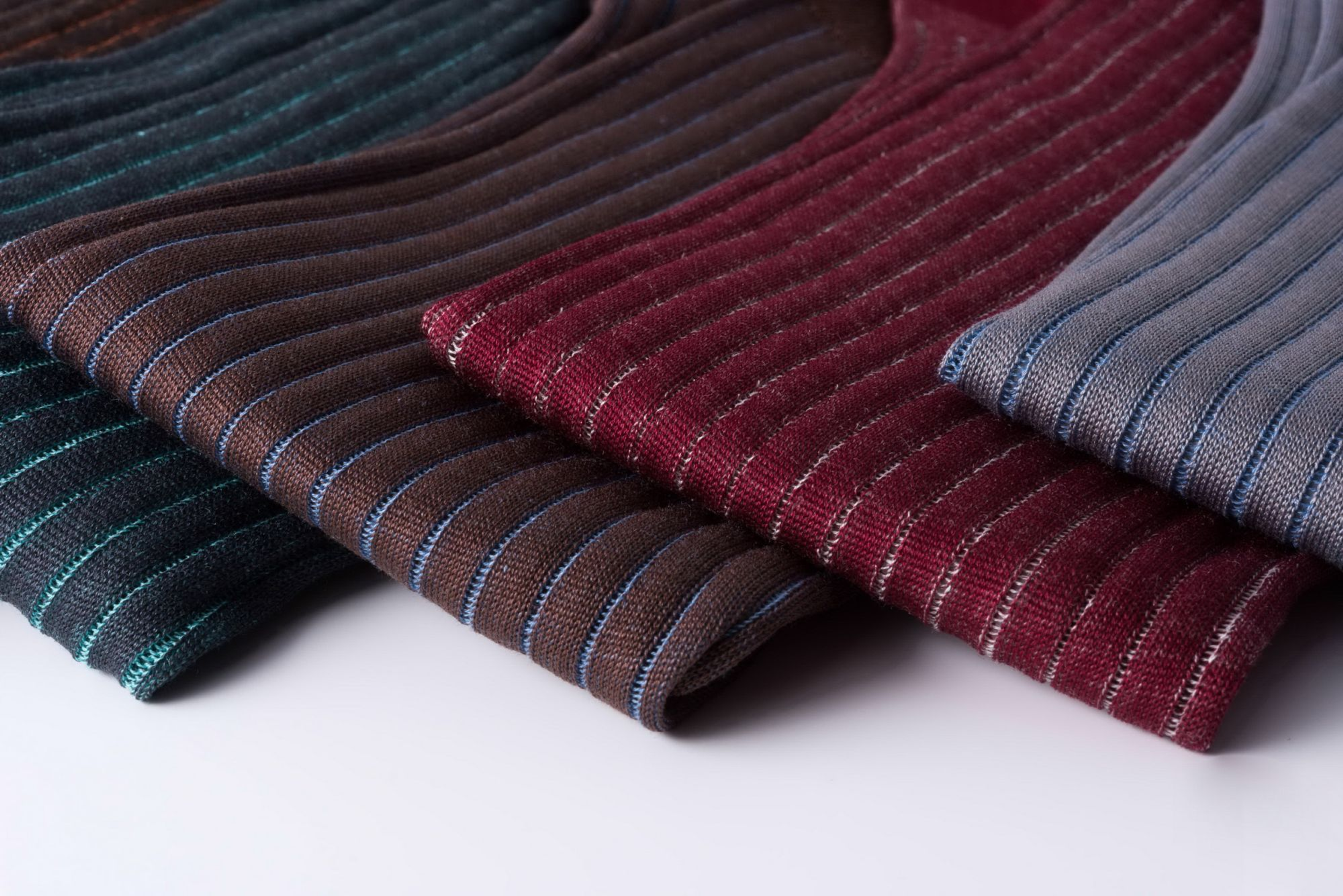
I think texture is one of those things that make your selection seem more thought out. Some socks will be knitted to look as plain and smooth as possible. This works well in some occasions – like in black tie attire, but I myself prefer the ribbed socks for most occasions. It adds some movement to the fabric and it can allow for interesting color combinations where the rib holds a different color than the primary.
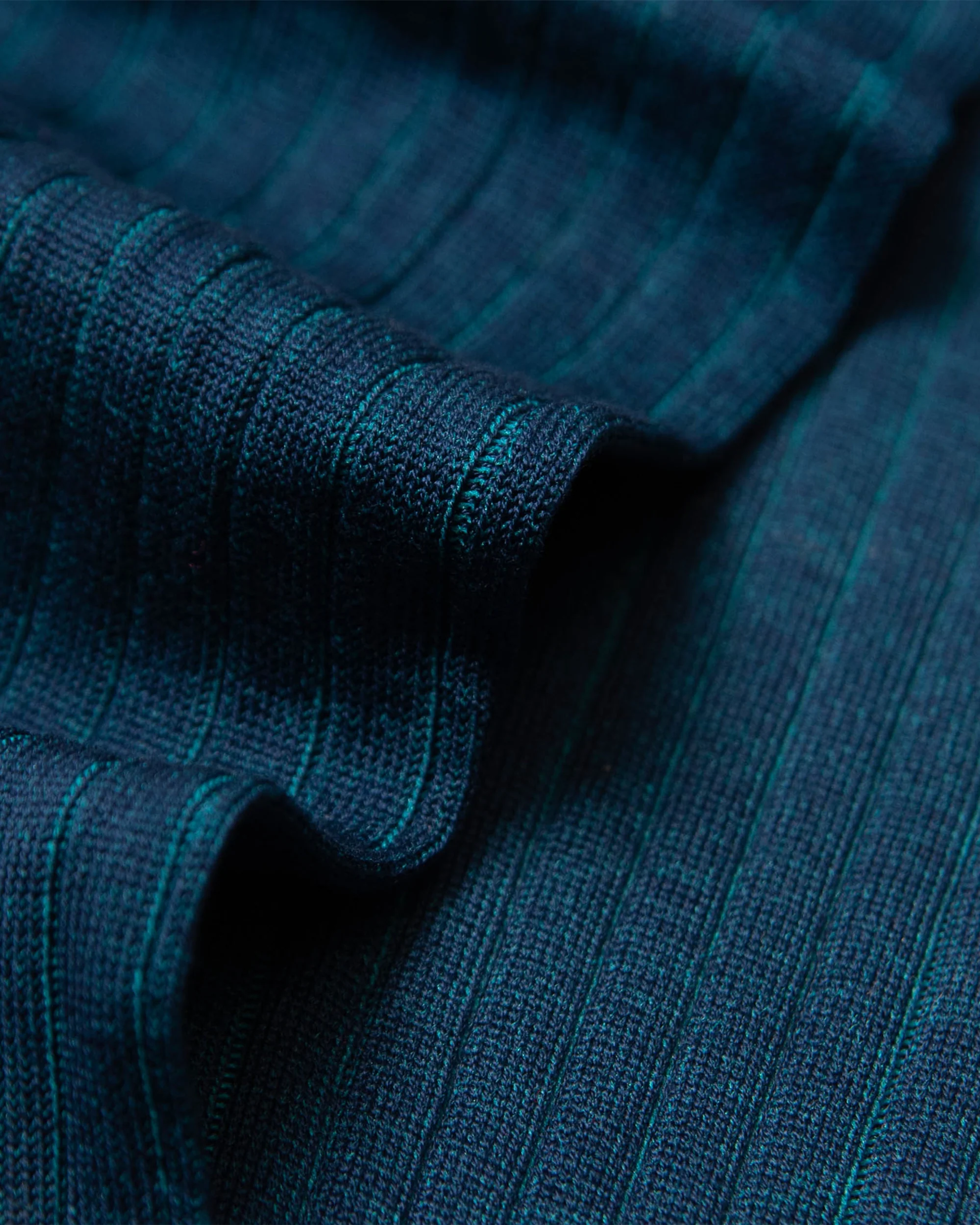
There are of course a lot of color options, and I think this is where the biggest potential for creating a clash lies. I like to consider the total color profile, but you can definitely use socks to spice up the outfit – though it might take some practice to get right. If you are unsure, opt for darker colors.
I’m not saying you should always choose black, my go-to is often dark grey or brown, and if it fits the color palette I will pick something in the lines of burgundy, navy or green. I also think an off-white sock with a black loafer creates a great contrast. Experiment – see what works for you.
Personally, I avoid designs that are too attention grabbing, like graphics and patterns that scream for attention. Bold logos, clashing bright colors and cartoon characters do not fit a well thought out, classic outfit. When wearing a suit in normal temperature conditions, OTC is the right call.

Inspiration
My Journey into Fashion
The story of how I approached upgrading my style and how it affected me.
Guides
Your First Trip to the Tailor
Your first trip to the tailor might be an overwhelming experience. Here are some things you can do in advance to come better prepared.
Guides
Dissecting the Shirt
Shirts can come in all colours on variations. Let's dive into some of the fundamental parts that makes a shirt, and some pitfalls to avoid when buying your next one.